
By J.J. and Mina, September 2026 / FOCAS Intern 25-26 / University of British Columbia
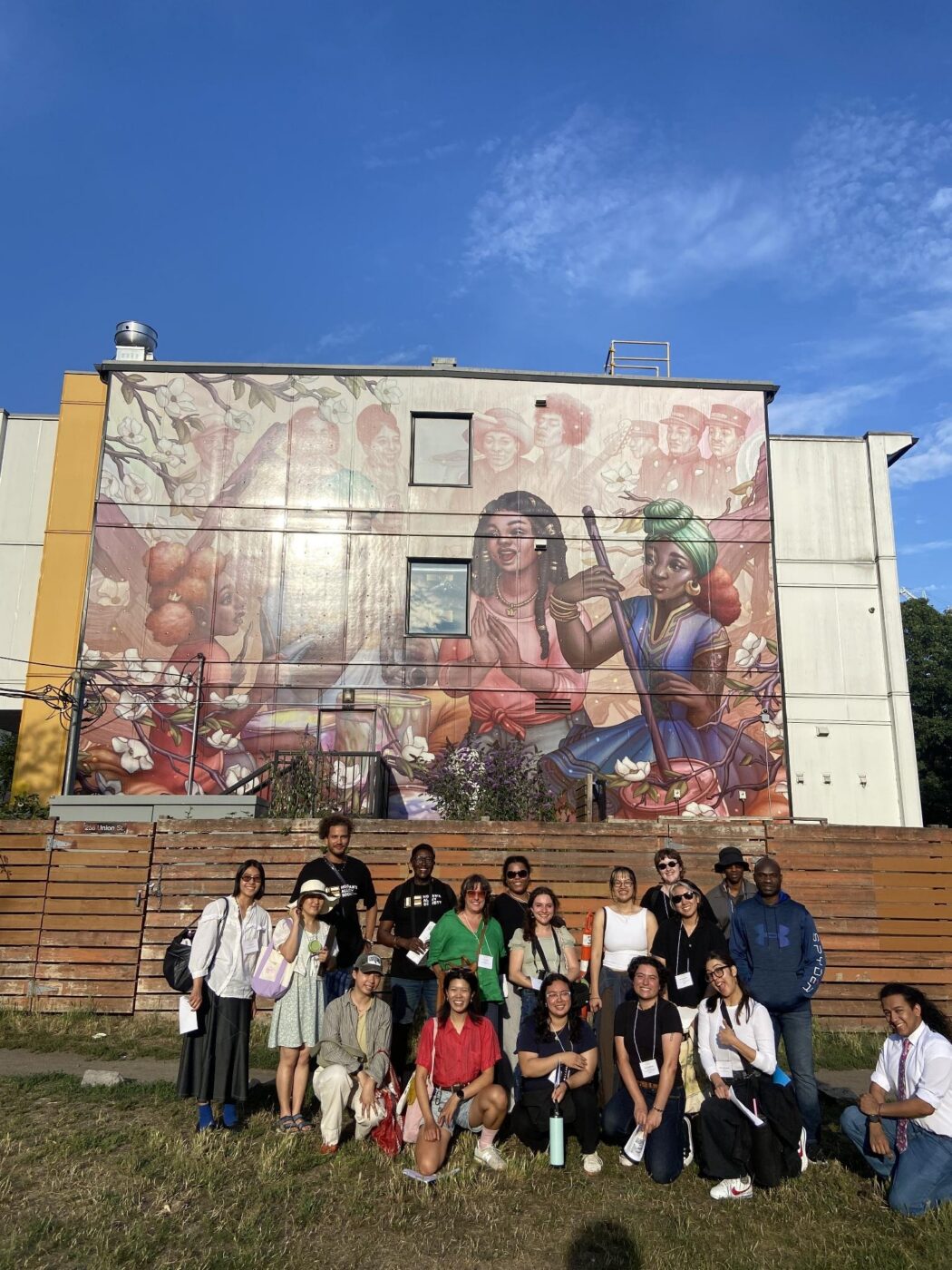
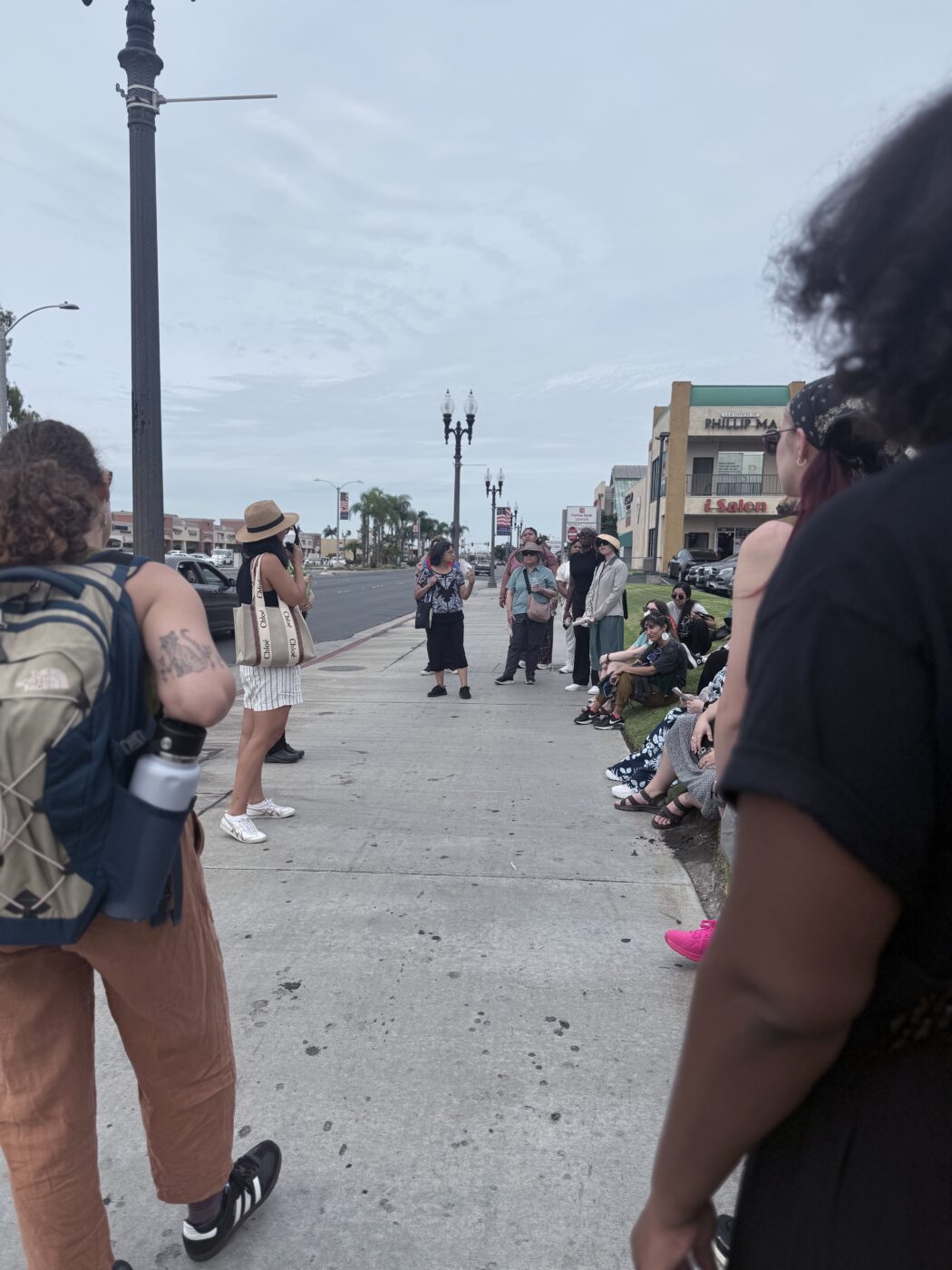
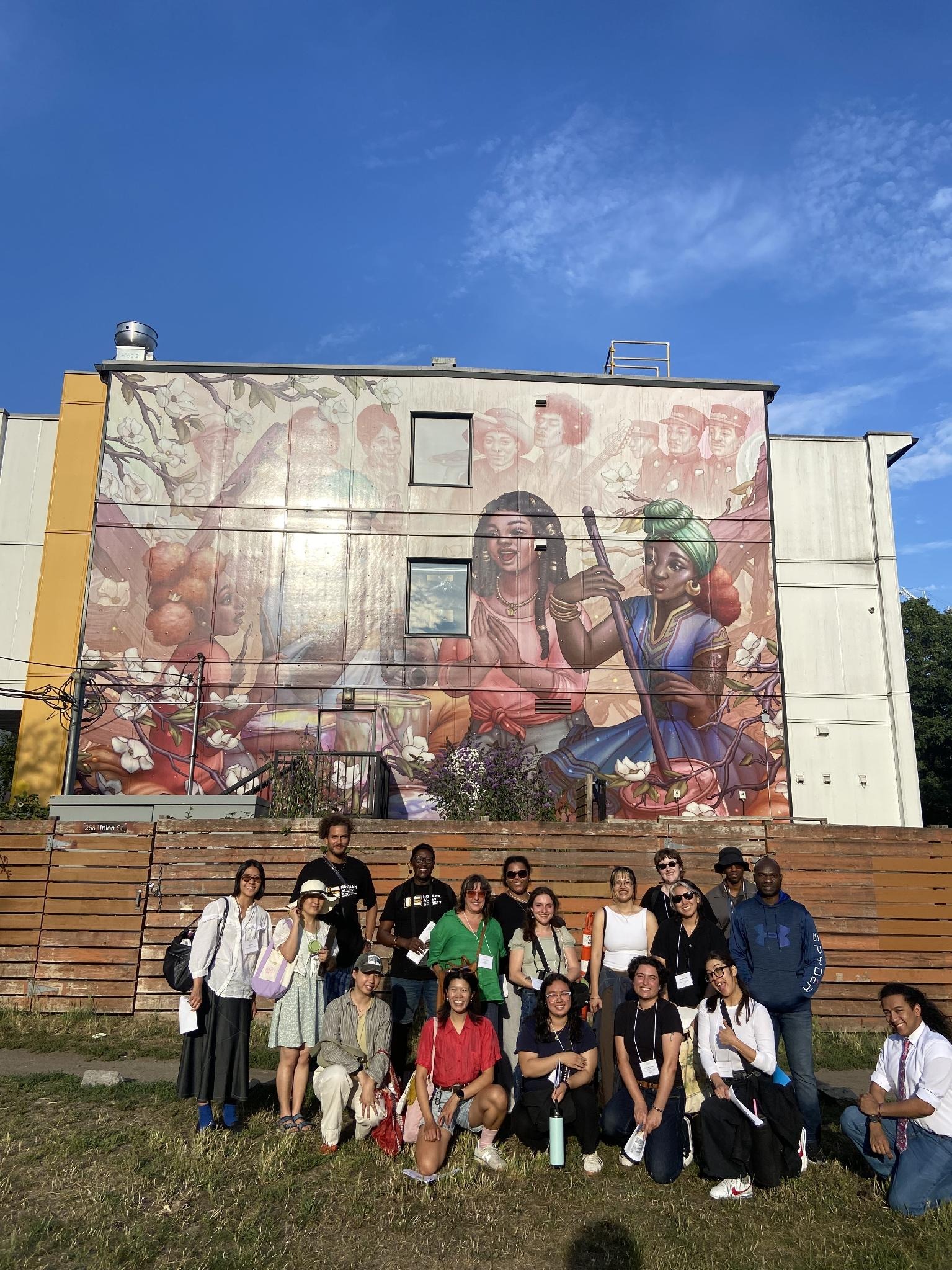
Image caption: FOCAS interns gathered at Nora Hendrix Place during a tour of Hogan’s Alley.
In this article, we reflect on how theory learned in our Master of Archival Studies and Master of Library and Information Studies programs at the University of British Columbia (UBC) iSchool informed or did not inform our FOCAS internships.
Our FOCAS placement was with the Hogan’s Alley Society (HAS), a Black-led non-profit organization dedicated to advancing the social, political, economic, and cultural well-being of people of African descent in Metro Vancouver. Our main goal was to assist with feasibility research for a prospective archive, set to be operational June 2027.
Being some of the only information professionals working on this project, we brought different theoretical knowledge, having recently completed the MLIS program (J.J.) and core MAS courses of the dual MASLIS program (Mina).
For Mina, core archival theory was helpful for drafting high-level procedural documents on metadata, consent, and accessioning. It was important that these workflows were ideated early in our research so we could consider archival best practices while pinpointing where HAS could diverge from traditional theory. Critical archival theory such as participatory methods, post-custodial methods, person-centered archives, and right to refusal were the most helpful for considering the latter. Turning to this research also helped identify core values of the archive.
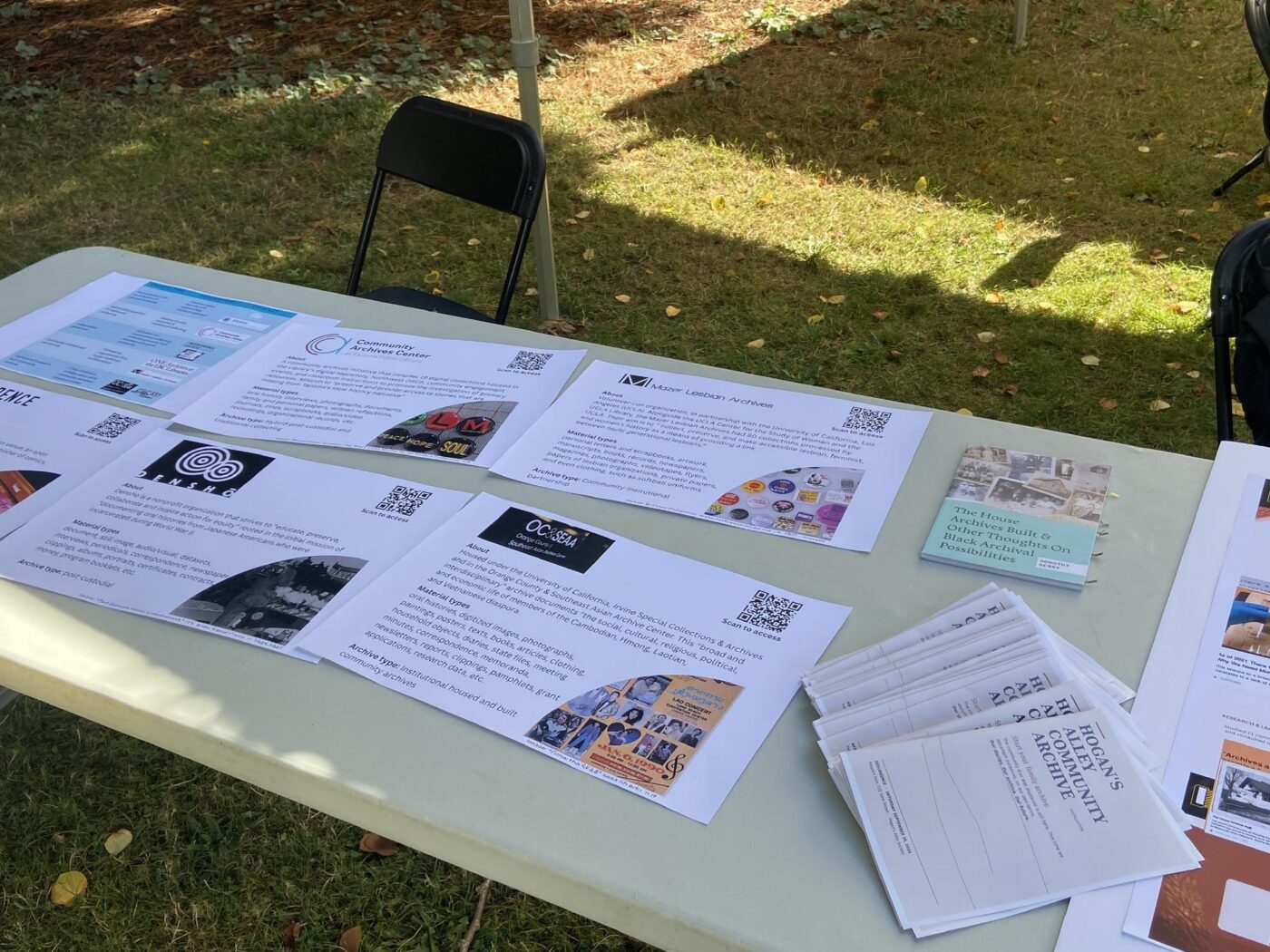
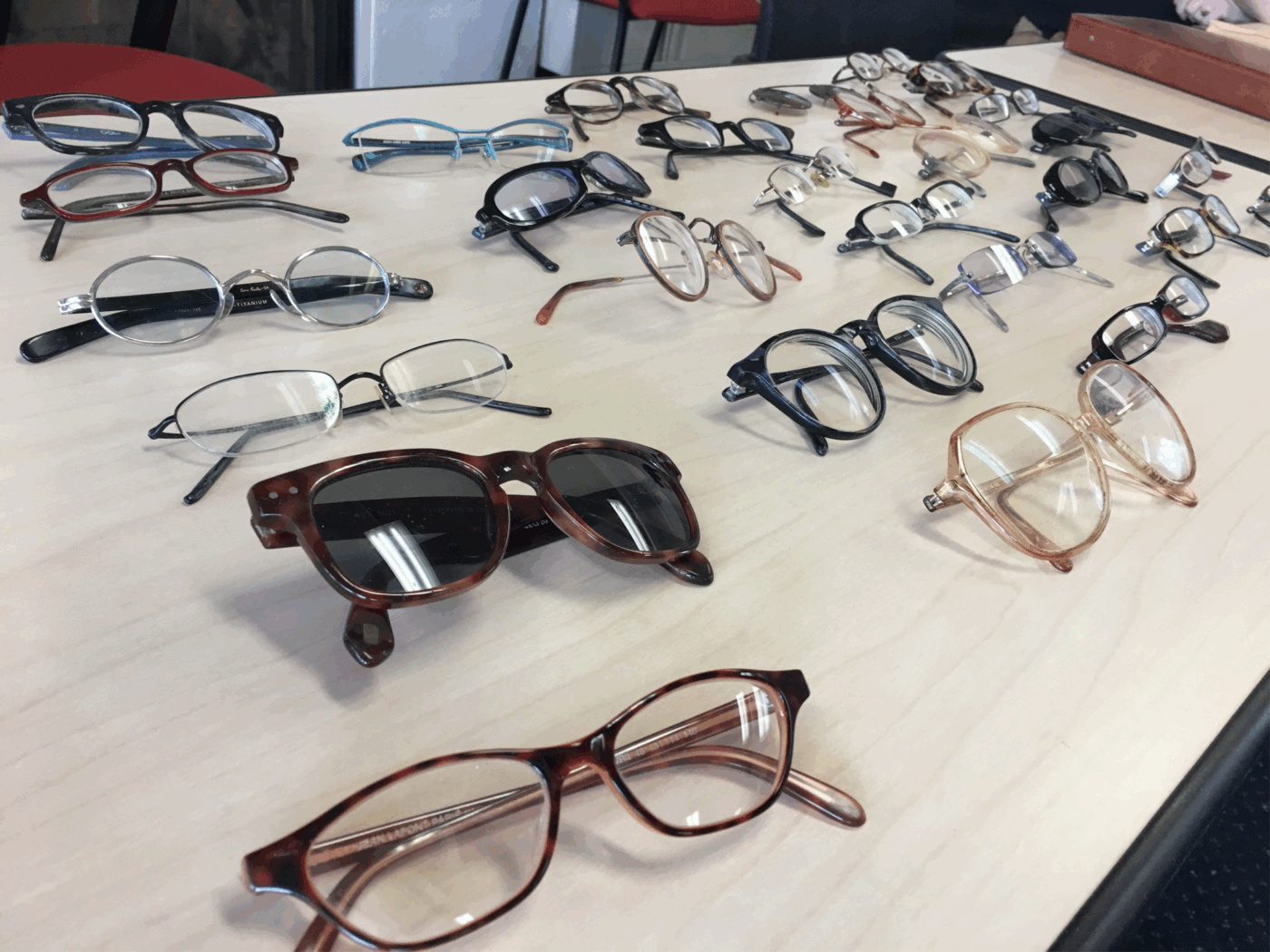
Caption: Research materials and references shared during the second annual HAS Resurgence event (Sept 26, 2026), a Black-led celebration of music, art, food, and community connection held in historic Hogan’s Alley, Vancouver.
For J.J., core LIS theory was helpful for contextualizing and envisioning the history and impact of community libraries, recalling an impactful reading in the first MLIS term of Shannon Mattern’s fugitive libraries, priming us to turn to Dorothy Berry’s Black Memory Work scholarship, and later connected us with Laura Helton’s book, Scattered and Fugitive Things: How Black Collectors Created Archives and Remade History. Theory helps us cautiously hedge our pacing expectations to prioritize long-term feasibility, drawing on generative, sustainably-oriented care of The Mainters Information Maintenance as a Practice of Care: An Invitation to Reflect and Share and temper comparisons with established community archives by contextualizing where we are along the Community-Based Archives Continuum. LIS theory education around record keeping, knowledge management, and critical cataloguing (especially community centered vocabularies) have helped instill a responsibility to the public through university-community knowledge exchange and culturally competent research approaches (e.g. Research 101: A manifesto for ethical research in the Downtown Eastside) that prioritize reciprocal and relationally-grounded community engagement.
Nevertheless, we still found gaps in our respective education. Most traditional archival theory is based on large well-resourced institutions, not the needs of community archives, making us ill-equipped to conceptualize how to plan a community archive from inception or plan for financial sustainability. Additionally, For MLIS students at UBC, core archival studies courses are restricted.
These gaps required us to supplement our education from alternative sources. Servicing a Black community that has experienced legacies of extraction, it was important to study Black Memory Work as a distinctive practice. We drew from the scholarship of Dorothy Berry and case studies such as the Black Birmingham Radio Museum, Archive of Urban Futures, and Indigenous approaches to archival work. Tacoma Public Library, Community Archives Center’s Toolkit, and Community-Driven Archives at UNC-Chapel Hill proved essential reference materials as we conceptualized how to strategically collaborate with institutional partners and conduct community engagement sessions.
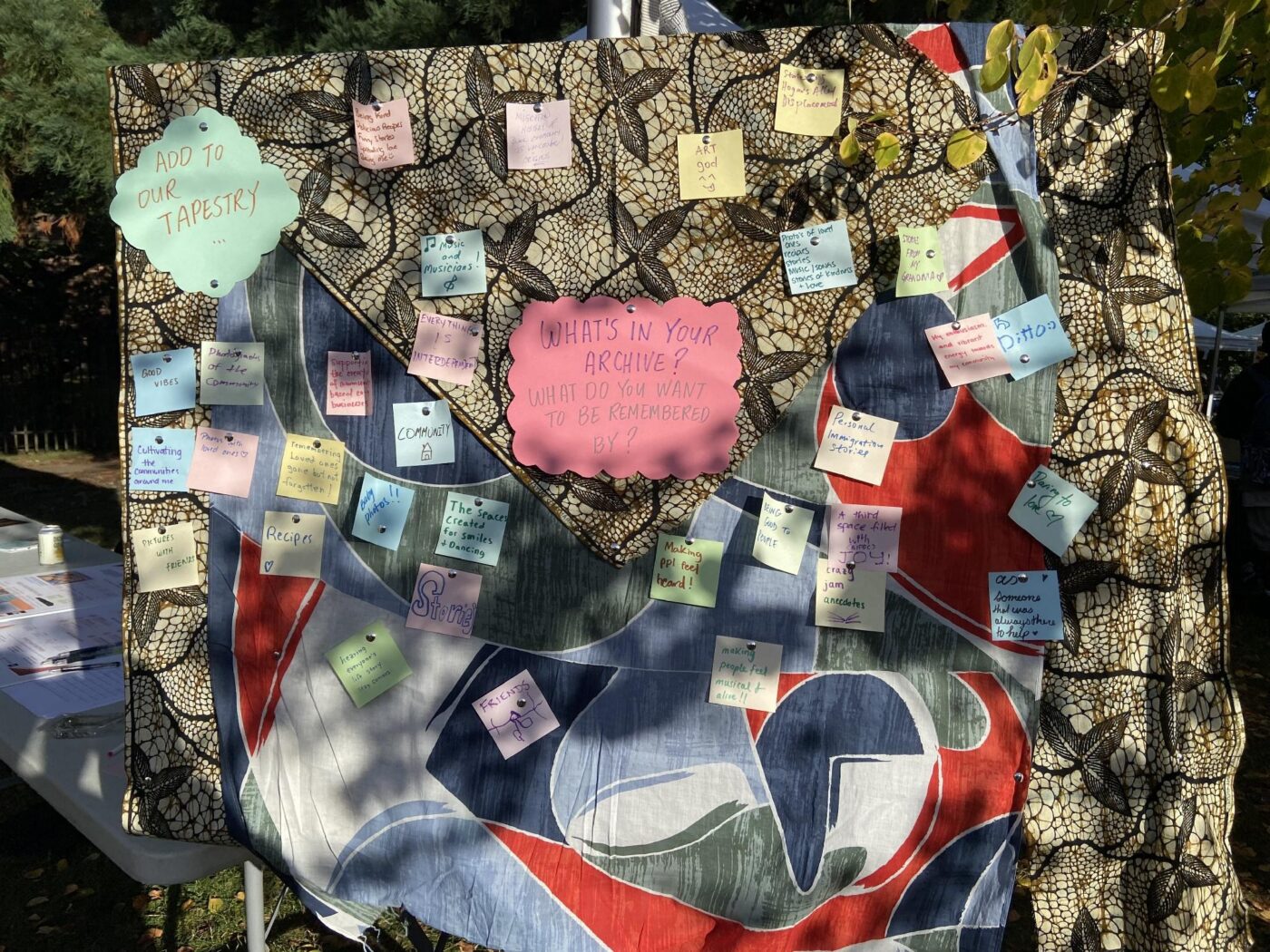
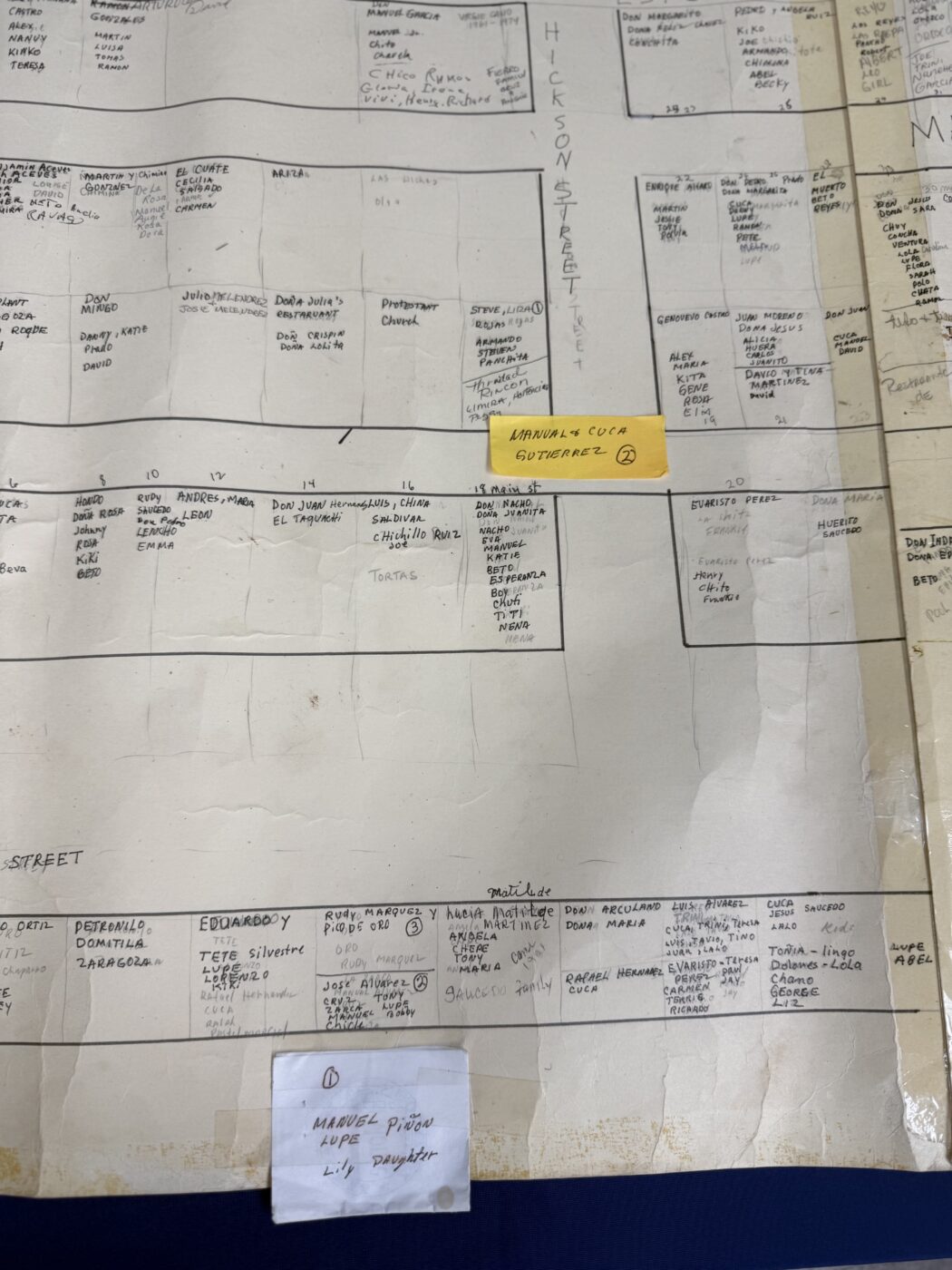
Image Caption: Community contributions to our “tapestry” activity during the second annual HAS Resurgence event
The most fruitful resources came from connecting with other community archives and community members through the Hogan’s Alley Society Community Archive Steering Committee and other relationships. Expanding knowledge beyond the MLIS program, J.J. found that chatting with thoughtful friends in the MASLIS program, community organizing through the iSchool Students of the Global Majority and Vancouver Black Library, as well as group projects at the iSchool helped connect J.J. with other students, librarians, archivists and information professionals generously willing to share insightful tacit knowledge.
Given these reflections, we propose the following changes to archival and library studies curricula to better support internships like ours. First, more opportunities for interdisciplinary knowledge exchange (e.g., with queer feminist studies, Indigenous studies, migration studies, etc.) will enrich field-specific knowledge. At UBC, we would like to see more interdisciplinary pathways between library and archival studies, expanding archival skillsets, for example, through course groupings or concentrations. Second, providing opportunities for students to interact with a range of archive stakeholders (e.g., patrons, donors, record creators) helps students understand the web of relational responsibilities involved in archival work. Here, there is potential to forge university and community archive partnerships to make visible archival career access points. For example, Archiving the Black Web is one community-based resource that, in addition to providing information about archival practices and contemporary issues, also was a gateway to exploring archival careers. Finally, experience working with and creating accessible resources such as reports and toolkits in addition to scholarly articles prepares students for the technical requirements of working across knowledge levels.
As emerging professionals and ongoing students, this internship helped us understand where the archival and information studies fields sit in relation to servicing a community archive. Although aware of the slow pace of administrative change, we are hopeful that relationships built with other students and scholarship interested in an archival shift will prepare new archivists to support community archive work.