
By Leo Jones, June 2026 / FOCAS Intern 25-26 / McGill University
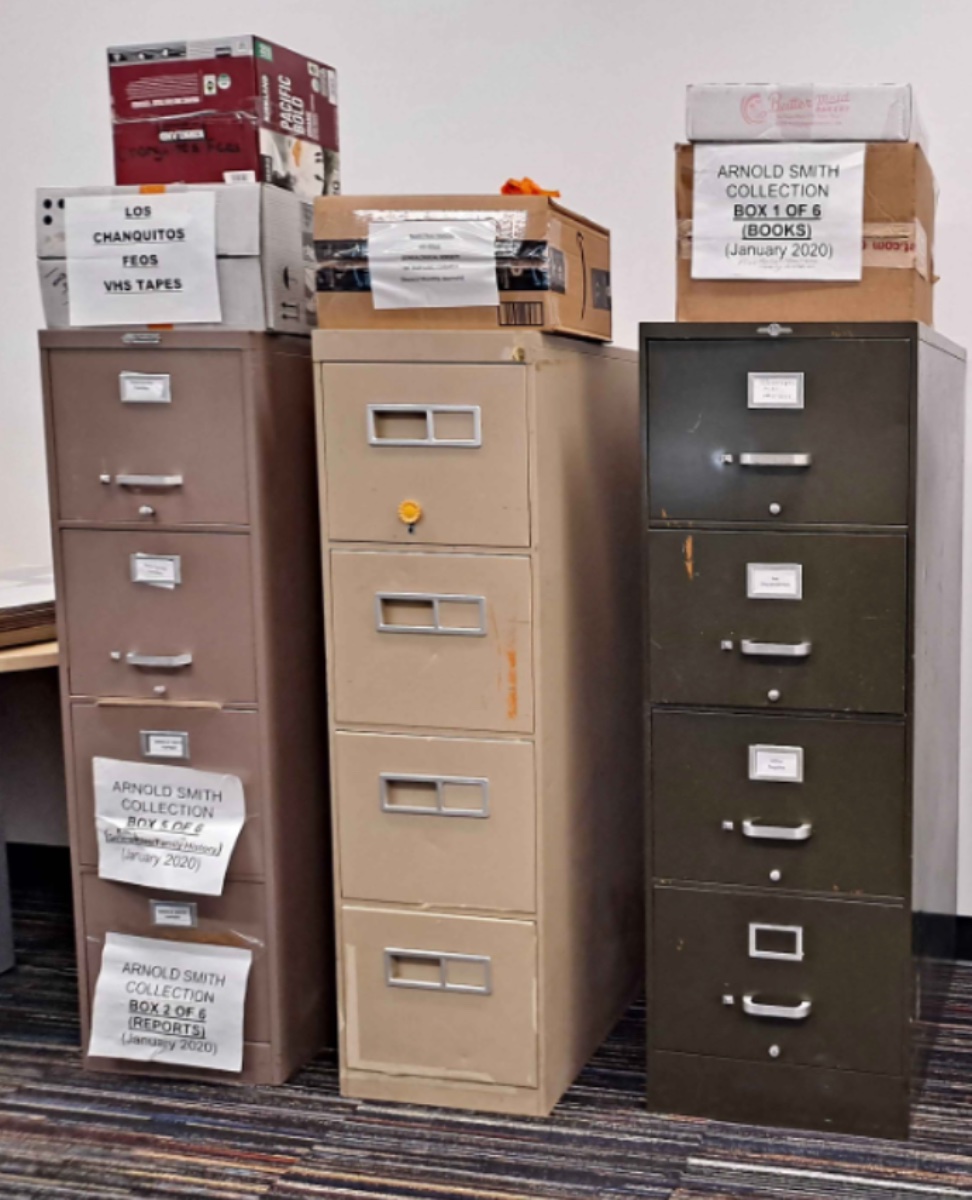
For the final year of my Master’s of Information Studies (MISt) at McGill University, I had the opportunity to be the FOCAS intern at the Archives gaies du Québec (AGQ). Having recently turned 40 years old, this archive celebrates, preserves, and diffuses the memories of queer individuals from around the world, with a specific focus on commemorating the history of Montréal’s 2SLGBTQ+ community. Throughout this internship, I had the privilege of working in the current space of the AGQ alongside its primary archivists and its vast collection of archival materials, including zines, magazines, books, videos, posters, and much more. The initial objective of my internship was to work with the archive’s audiovisual collection, which consists of over 70 boxes of various forms of audiovisual (AV) items, the most abundant being VHS and DVD. However, as my work evolved over the course of the semesters, I was able to contribute to additional areas of the AGQ, further developing my knowledge of archival spaces and my connection to the queer community of Montréal.
As my initial mandate concerned the AV collection of the AGQ, that is where I began my work; specifically, by completing the cataloguing of each item. Having had little experience with DVDs or VHS in the past, this job began as a personal introduction to the handling and analysis of these materials, one that was particularly crucial for one aspect of the cataloguing: creating a priority numbering system for the collection in view of a future digitization effort. The idea was therefore not only to input correct metadata, but also to research and physically inspect each item to accordingly assign it a number on my priority scale of 1 to 5 (1 being not a priority and 5 being to be digitized ASAP). This task took the entirety of my fall 2025 semester, and taught me a great deal about archival practices, audiovisual archiving, and the type of content held within the AGQ’s collection. As I digitized the prioritized items in the winter of 2026, I got to delve into the lives of queer people around the world. Among the vast number of mainstream films and X-rated movies, there were homemade videos of queer students dancing to 90s pop music and green-tinted recordings of drag performances at the now-closed PJs Bar in downtown Montréal and interviews at the homes of dying AIDS activists. With its multilingual collection of both intimate and communal moments within the 2SLGBTQ+ community, the AGQ allowed me to peer into the lives of these individuals and preserve them for future consideration, appreciation, and remembrance.
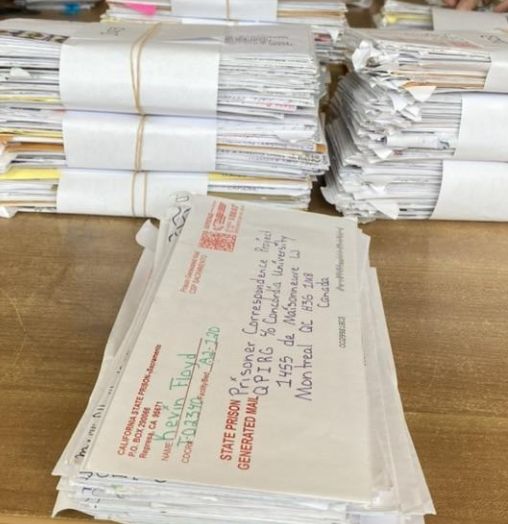
The second, unexpected task I took on during my internship was the initial sorting of the Prisoner Correspondence Project (PCP)’s archives, which were given to the AGQ in two parts. With the final boxes of the PCP having been finally acquired, we could begin examining the letters and organizing them by year, and, within each year, alphabetically by the prisoner’s last name. This project started at Concordia University and expanded to become its own independent entity, and its goal is to connect queer prisoners from around the world (though mainly in the US and Canada) with pen pal volunteers. The prisoners could thus communicate with another, like-minded individual and request resources regarding anything from 2SLGBTQ+ information to legal help. As I, with the help of an AGQ volunteer, carefully sorted the boxes of letters, patterns emerged regarding the content of each envelope. Despite hailing from various countries and having different gender identities and sexualities, every person writing to the PCP sought human connection with someone who could, on some level, relate to them and their experiences. We uncovered poetry and art among the traditional letters and postcards, the individuality and personalities of the prisoners emerging through their messages. This work taught me the first steps of dealing with large-scale archival donations, while also giving me insight into the status of queer inmates in the US and Canada and their much-needed connection to the 2SLGBTQ+ community.
Working at the AGQ was an invaluable experience. Becoming an active part of a community archive that engaged with and commemorated the queer experience in my home province was eye-opening and educational on countless levels. As a graduating student of information studies, the internship allowed me to develop my skills as an archivist with multiple media, some of which I had never seen before. As a queer Canadian, the materials I worked with deepened my connection to my community and expanded my understanding of the important work archives like the AGQ do around the world.