by Cosmo Brusa Zappellini, May 2026 / FOCAS Intern, 25-26 / University of Arizona
With a background in film production and editing, I primarily worked with the video and audio materials at the Arizona Queer Archives (AQA), organizing, restoring, and overall creating fuller digital artifacts. Primarily focusing on the Oral History and Phoenix Wheeler collections at the archive, I reviewed folders and media and worked to find how the artifacts could best be presented. In this, I often found myself learning more about Tucson’s rich queer history and the vibrant range of experiences/perspectives of the stories told.
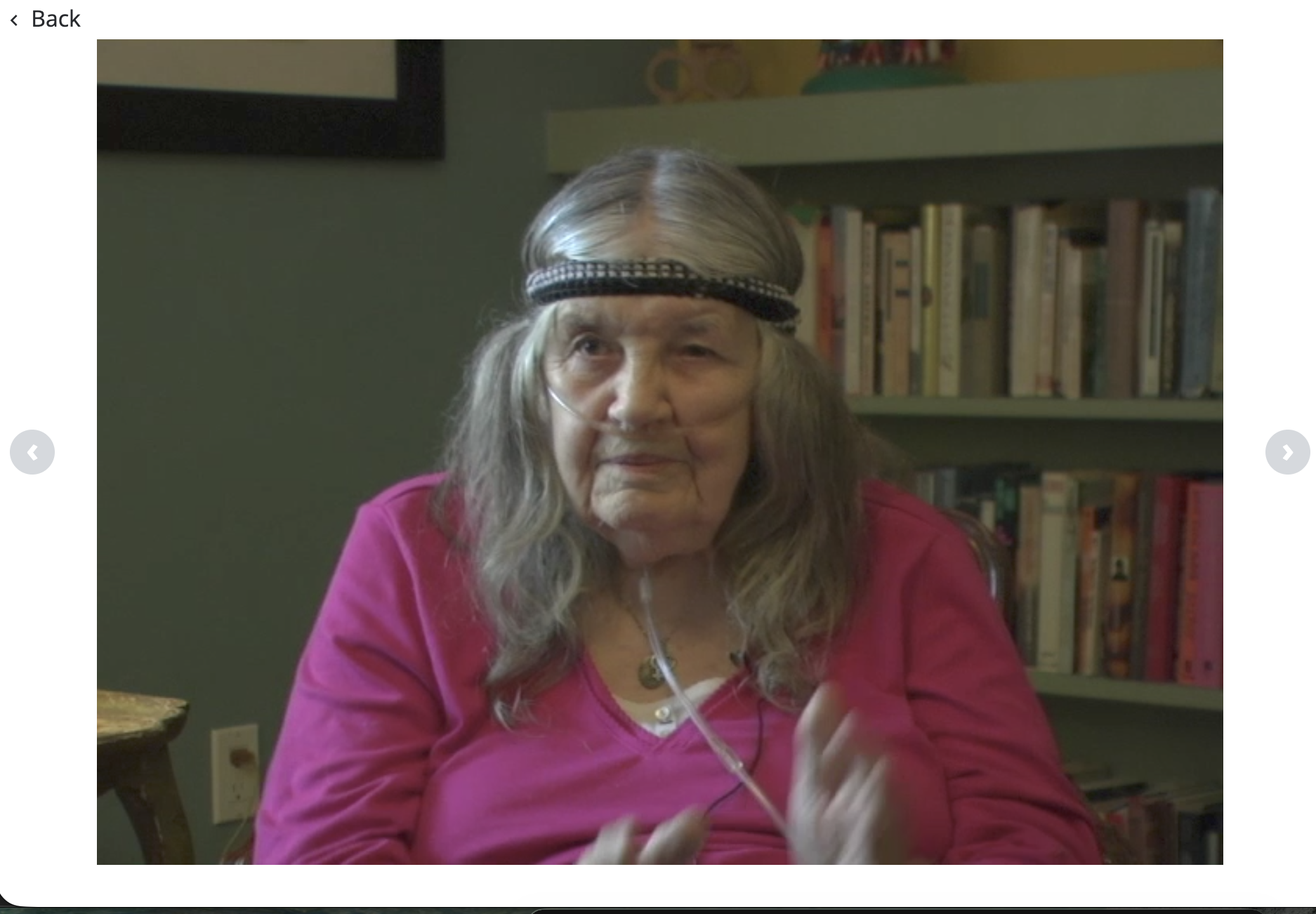
My work with the Oral History videos began with sorting and structuring the folders to understand which videos were compressed, which were the original files, and where footage was missing. By doing this, I was able to first focus on the highest-quality video and audio recordings, and later find the missing original files for the other recordings. While editing the videos, I reviewed the recordings to balance the levels, ensuring there was no audio peaking, voices were easily audible, and that the background noise was minimized. As part of that process, I also inserted markers into the timeline to help future editors understand what was discussed during any section of the video. I also reviewed the automatic transcripts of each of these videos to ensure that anyone accessing could read an accurate transcription. Reviewing these videos multiple times was an amazing experience. Not only did I learn about what Tucson was like for queer people before my time, but also what the individuals’ experience with their own gender and sexuality was like. It was a really fulfilling project to be working on, and I definitely found myself with a better understanding of myself and my local community afterwards.
Partway through the semester, we received a collection of 30+ cassette tapes for the Phoenix Wheeler collection. Out of the bunch, they were only able to transcribe 7 tapes, and out of curiosity, I listened to a number of the digitized files. Notably, these digitized files had an immense amount of decay and noise, resulting in an almost inaudible listening experience. After trying to restore the audio to the best of my abilities, I put it into the automatic transcriber in Their Story and found it was somewhat accurate. I just accessed this collection and ran out of time during the semester. I wonder if redigitizing the cassettes could restore more quality, or if the digital files are the best option for transcription?
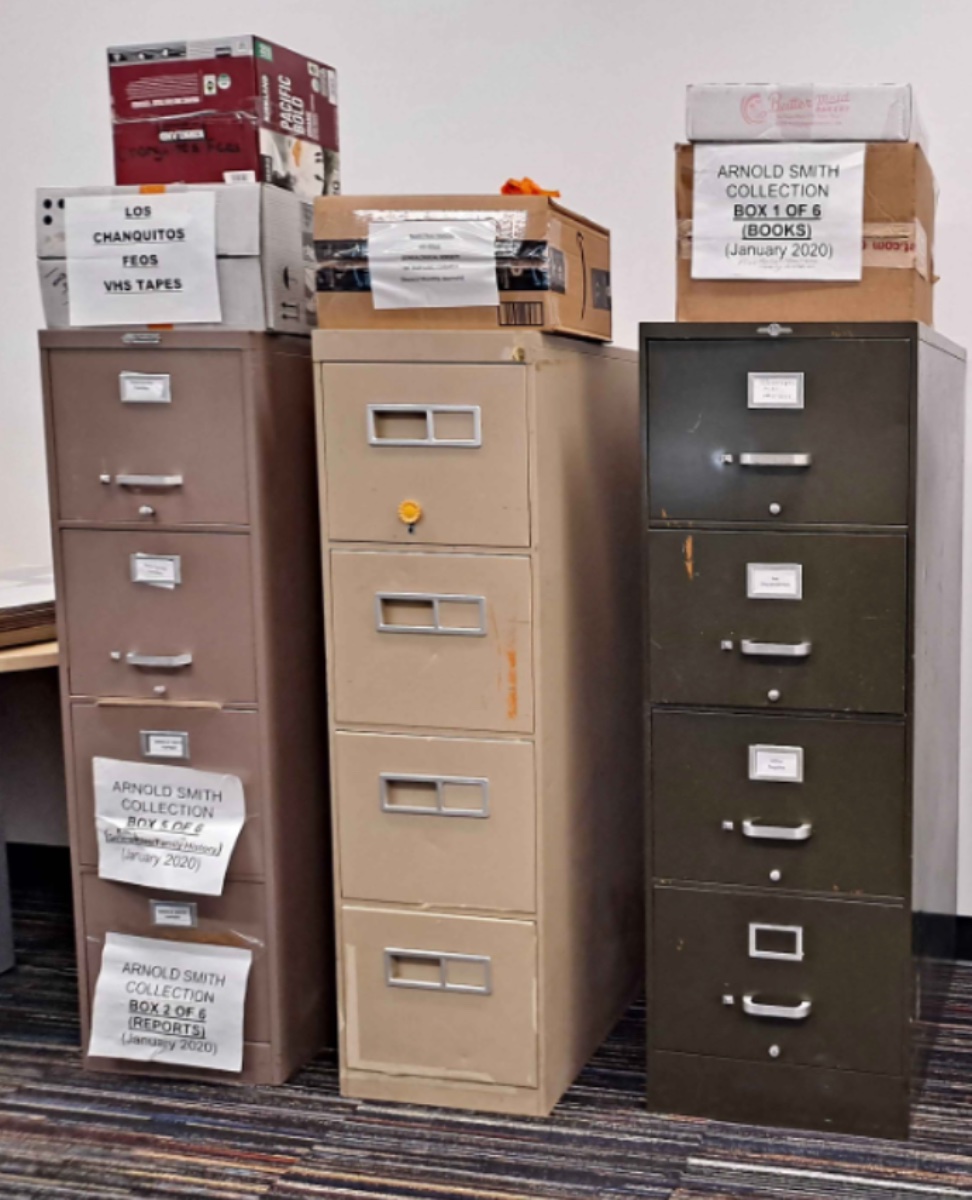
As an intern, I enjoyed working alongside Nicole every Tuesday. Outside of the work itself, I also appreciated the ability to connect with a classmate and look through the archive’s rich history together. Whether it be viewing VHS tapes or looking through zine collections, working side by side made work very enjoyable. I feel very fortunate to have gained so much perspective on how a community-focused archive operates and have had such an intimate experience reviewing and restoring the expansive Oral History collection.