

by James Hellebuyck, March 2026 / FOCAS Intern, 25-26 / UCLA
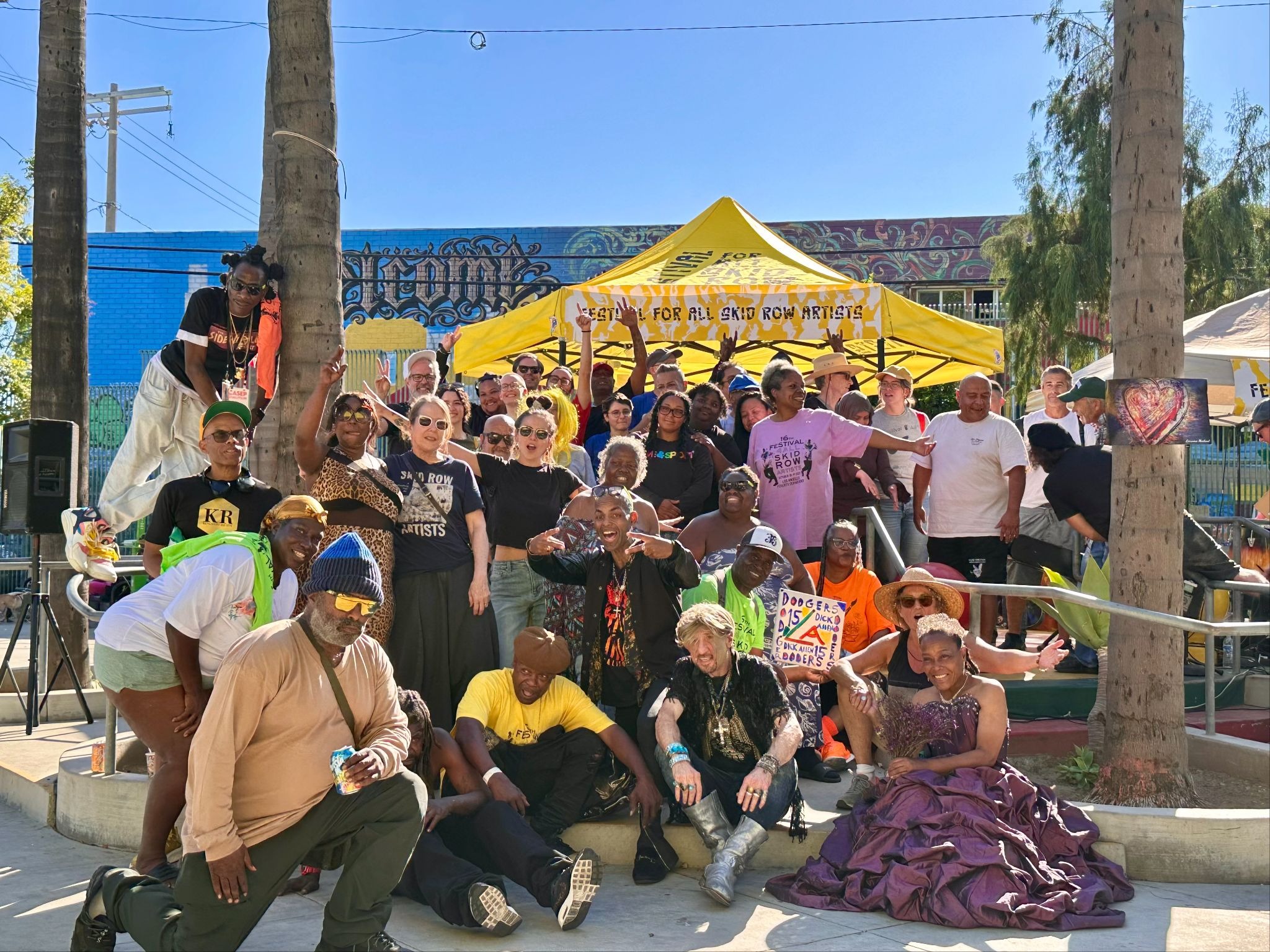
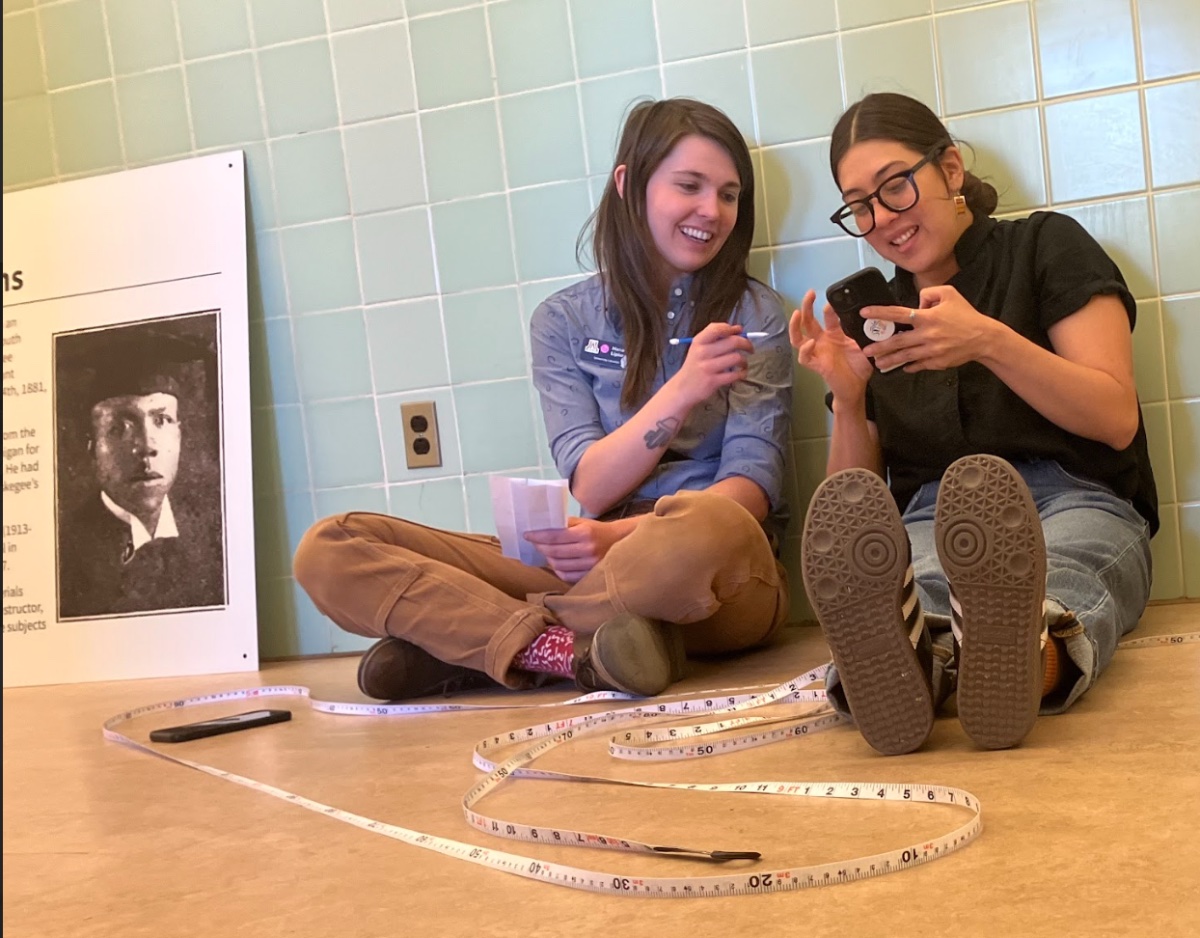
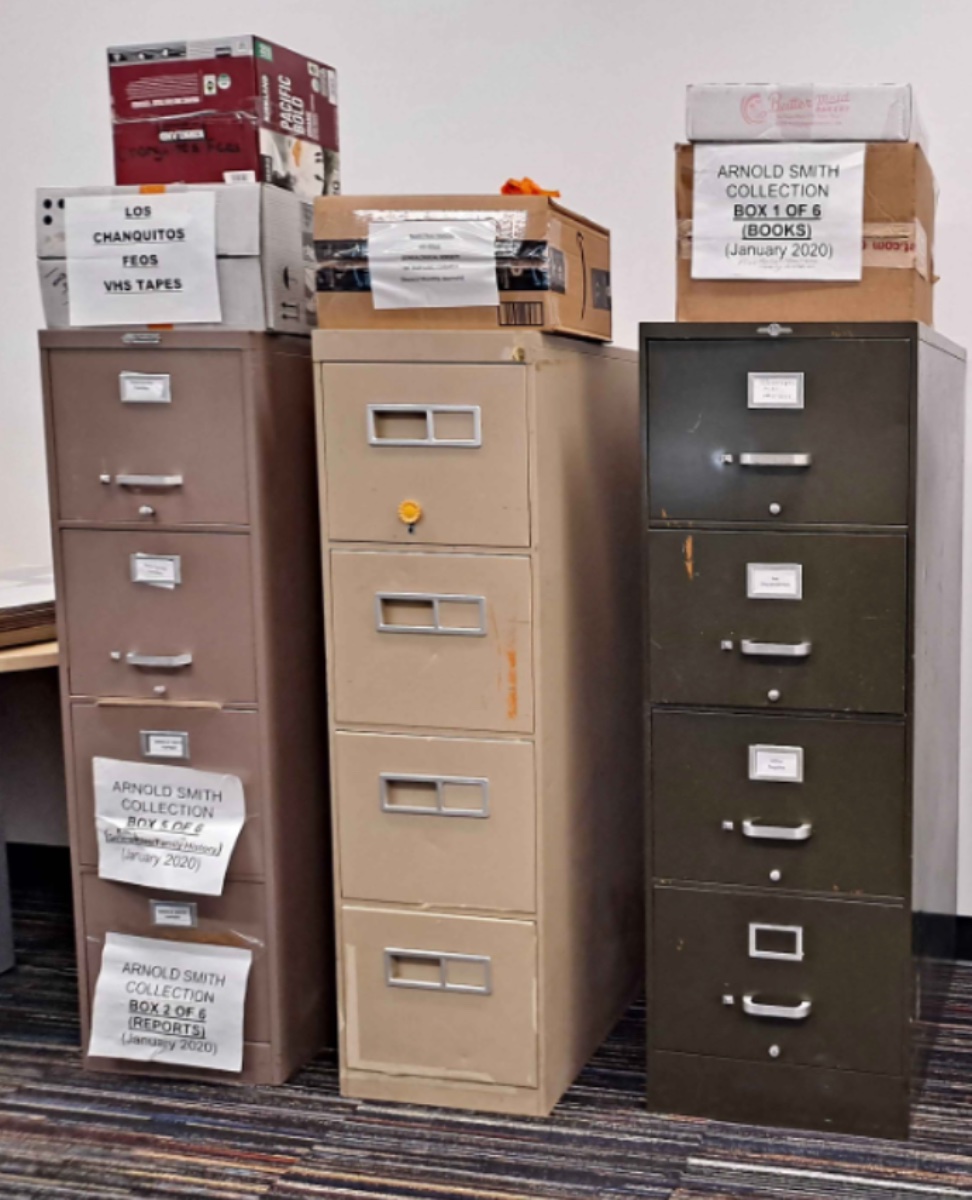
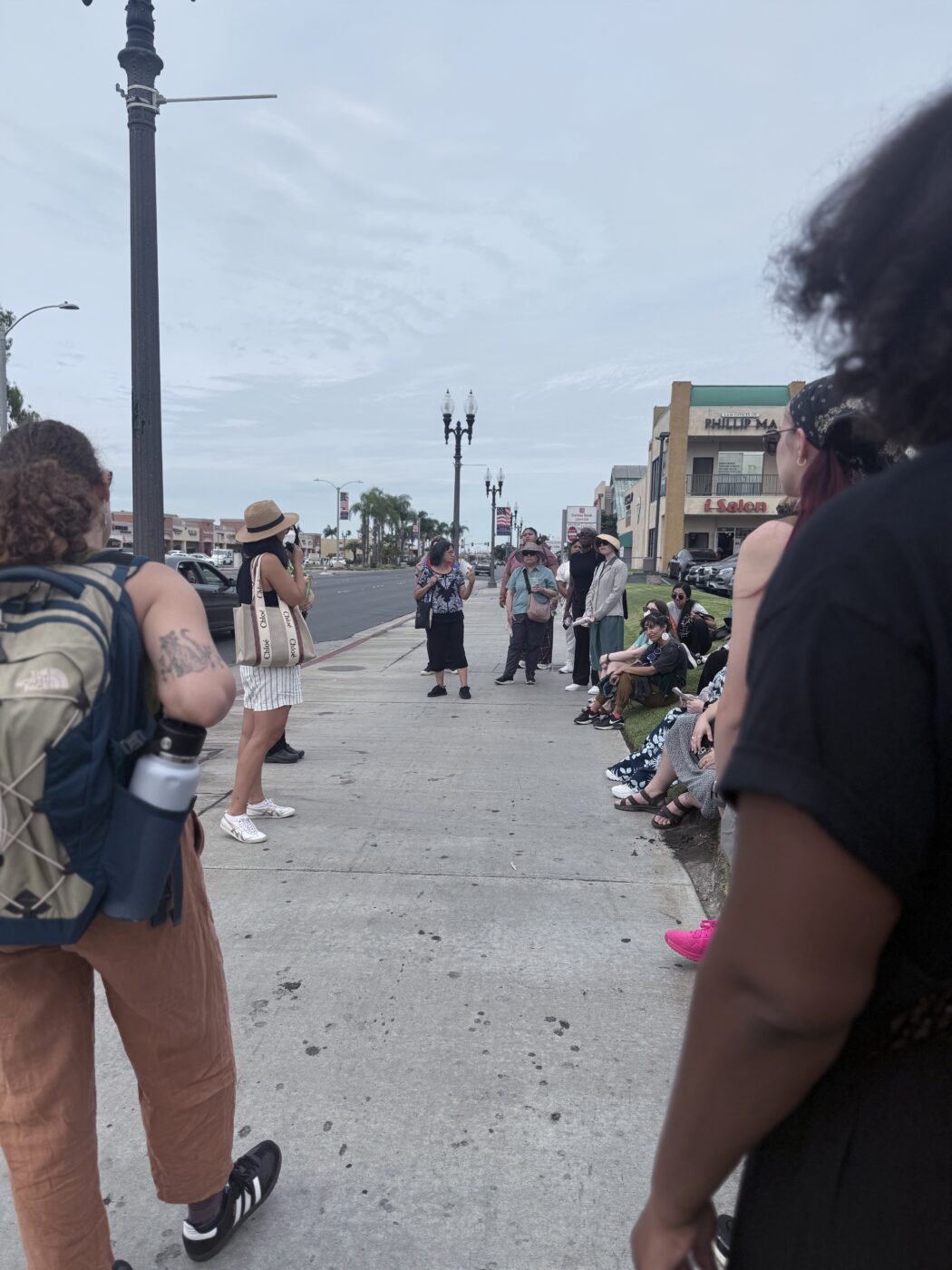
I have the privilege of working for the Skid Row History Museum & Archive as the Mellon Intern, and my favorite part of the work is being able to witness the relationship the archive has cultivated with the community of Skid Row. There is a collaborative relationship that leads to a rich archive and a safe space for the community. I am currently creating a box level inventory for the archive which allows me to see the community work they have done in the past and how they continue to do that work currently. I also actively see the outpouring of support. Consistently I meet new people who have been active members of both the Skid Row community and the archive. These are individuals that are pillars of the community as advocates and support systems who commit time to the archive because they view it as a vehicle to engage in effective advocacy, and control the narrative of what life on Skid Row actually is and who community members actually are. A variety of folks take time out of their day to donate their labor and expertise to the archive. Some people film events, design art, archive digital metadata, and participate in community events. There is a clear emphasis on the community being involved in the archive as they host events to teach community members what an archive is, how to use it, and how to archive materials themselves. Simultaneously though there is a clear drive and want from the community to participate in the archive. It creates a space that is alive with energy and excitement.
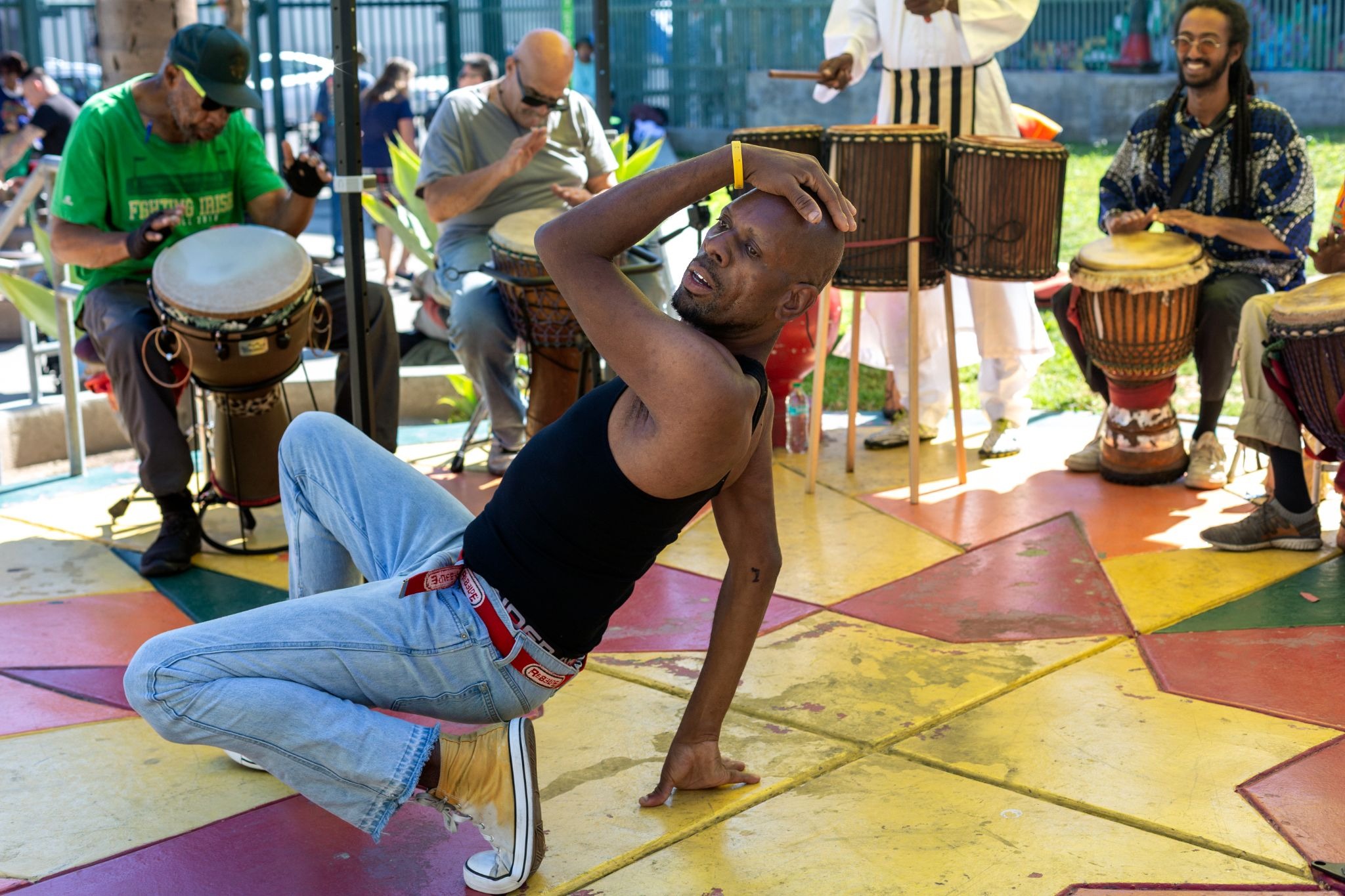
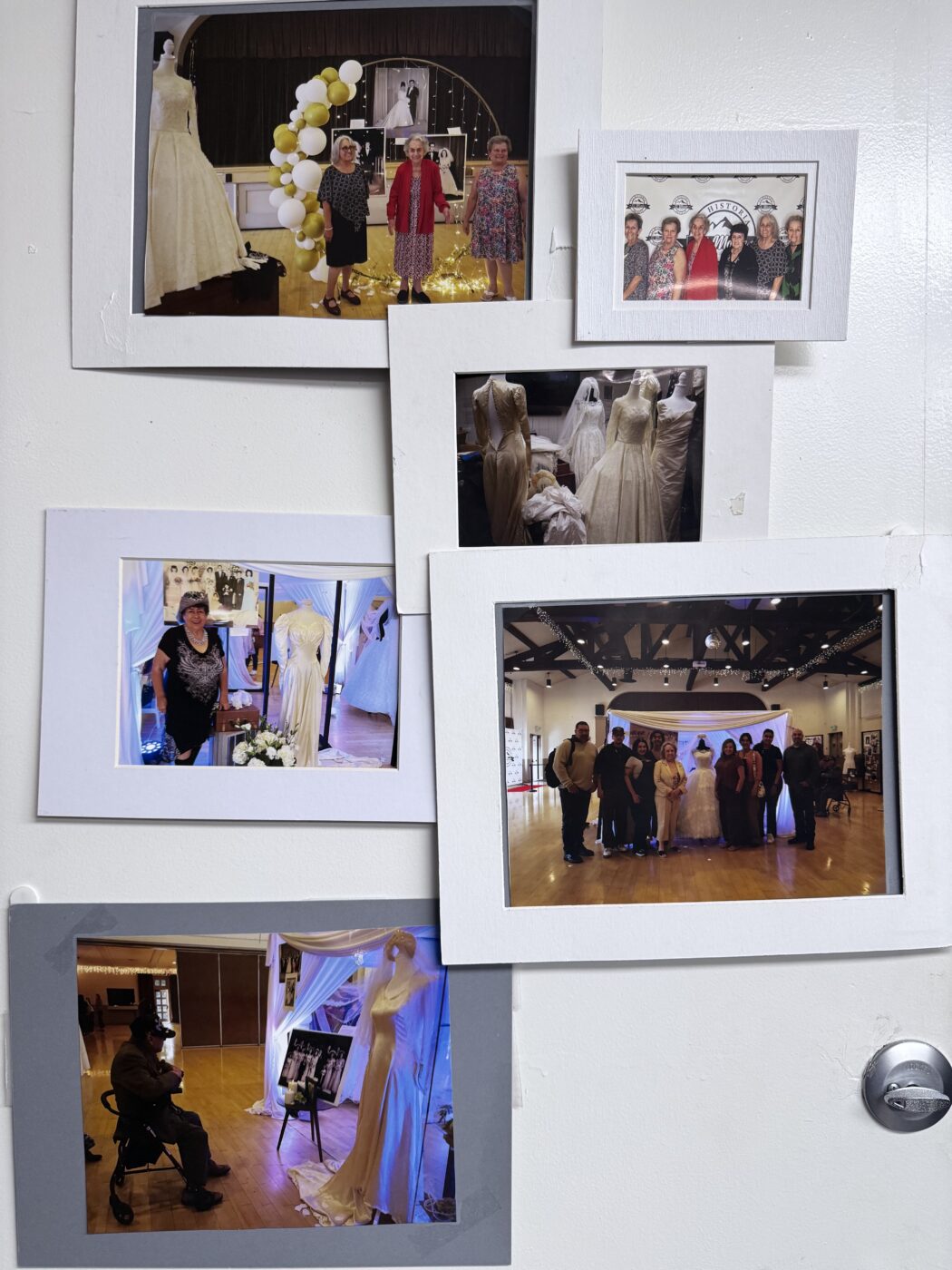
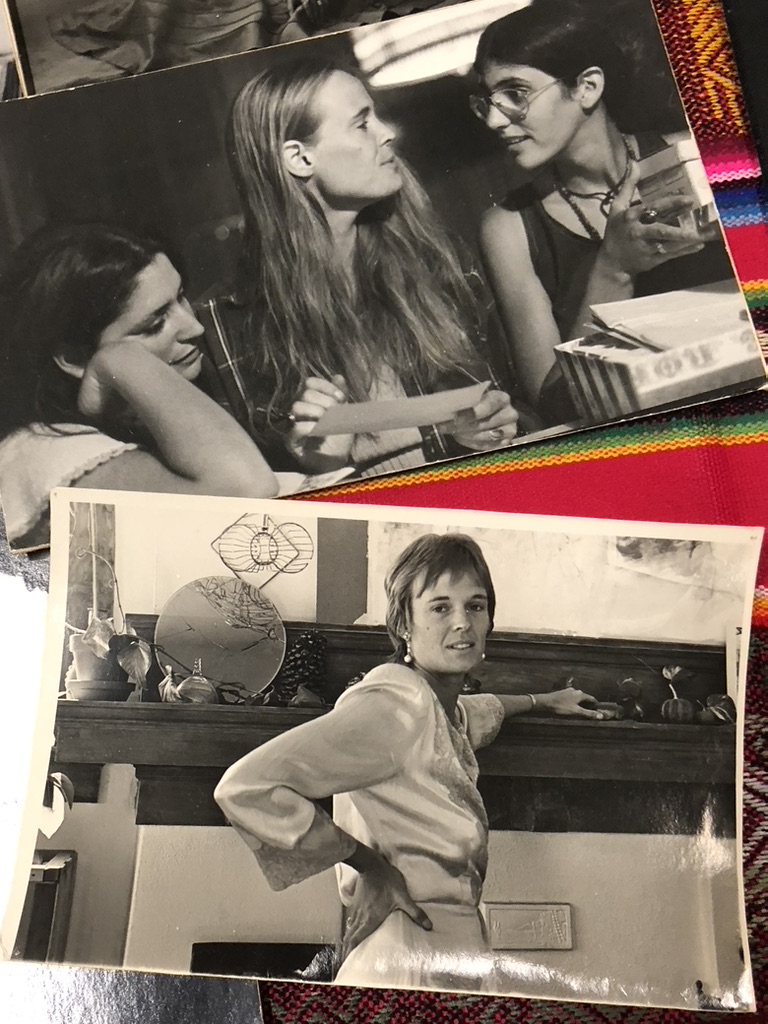
The space is split into two sections. There is a large open space that is used to host events like performances, exhibits, workshops, films, and community meetings. These events provide opportunities for education, rewriting narratives, and creating a sanctuary for community members to discuss current issues and create solutions. Many of these events are created with materials from the archive located on the second floor. This archive contains a fifty year history of agency, activism, and the artistic talents of Skid Row. All of which is being used as inspiration for future events as a way to teach people about an amazing, vibrant community, and as a way to use history as a blueprint for effective advocacy. The archive is further bolstered by the ongoing work of the community. As the community participates in these events and creates history through their art and advocacy, the archive will continue to document these events and preserve the history of the talented, joyous, and resilient community of Skid Row.