
Author: Jamie Ann Lee
-
First Time / Firsthand Experience at the SAA Conference 2025!
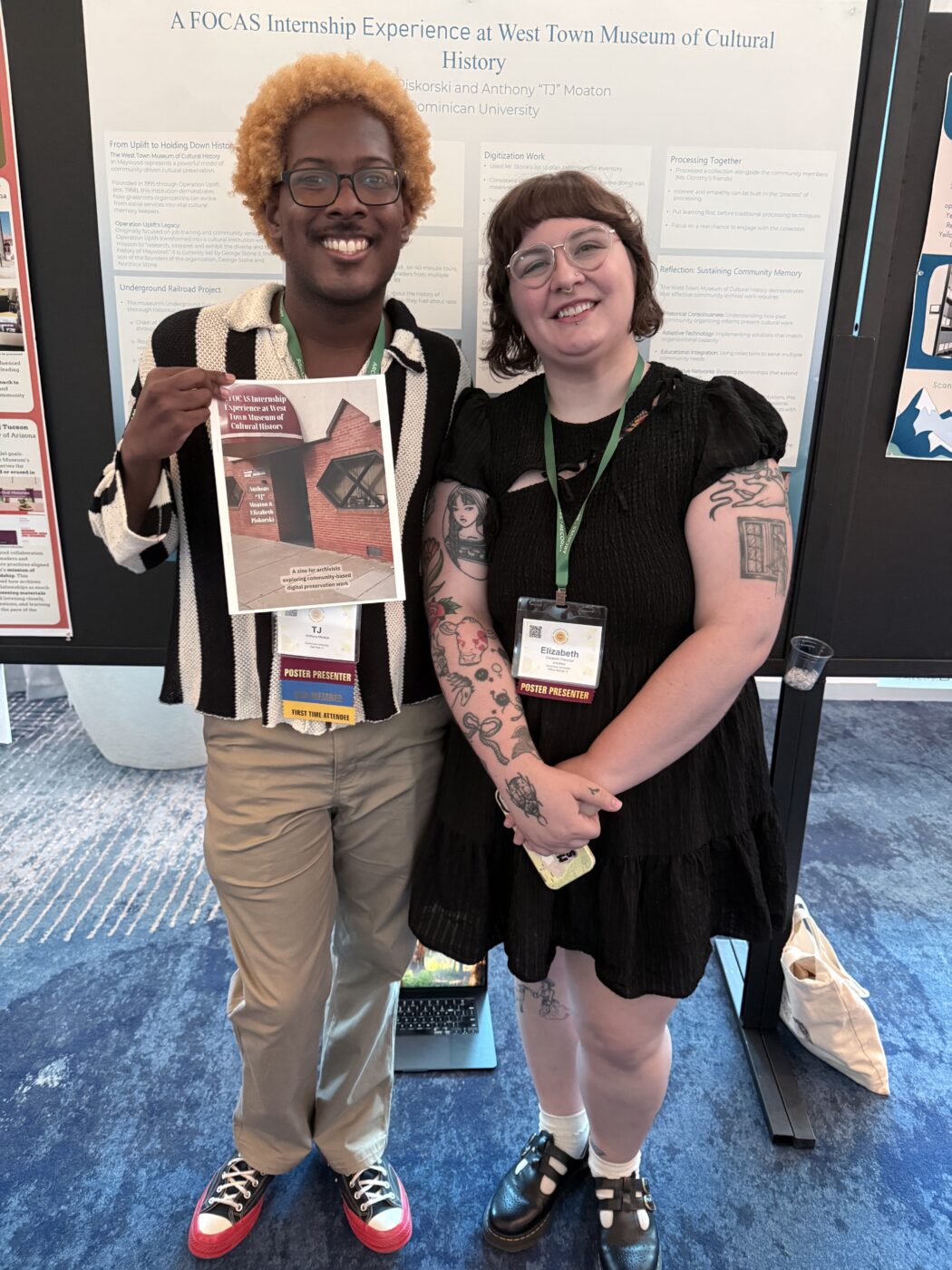
By Eric Reed, FOCAS Intern, Fall 2025 / University of Arizona Hello everyone, Last August I had the opportunity to attend the Society of American Archivists (SAA) Conference with my fellow FOCAS interns. This was the first SAA conference I had ever attended, and I found the experience very rewarding. From socializing with archivists and…
-

Attending SAA
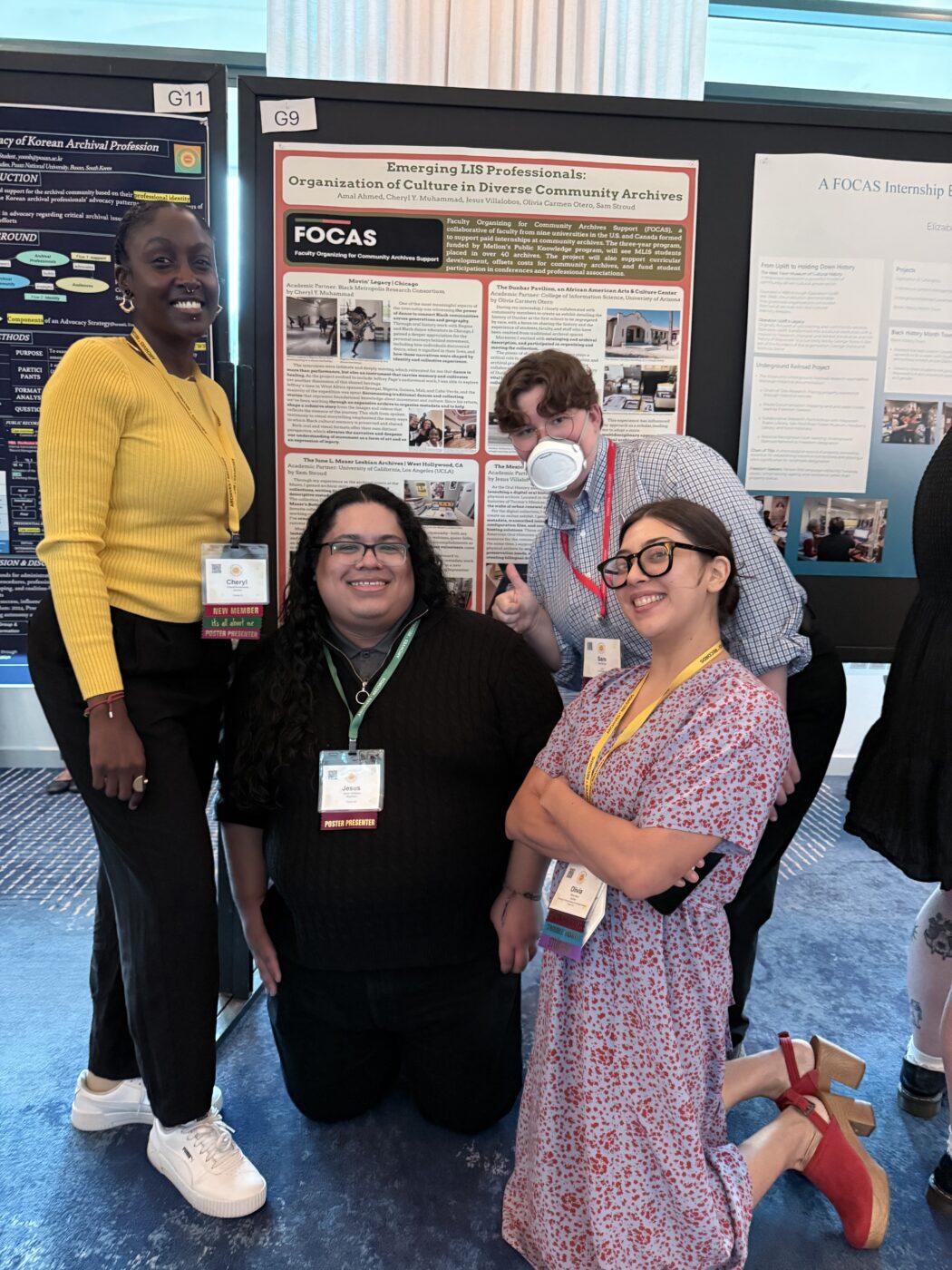
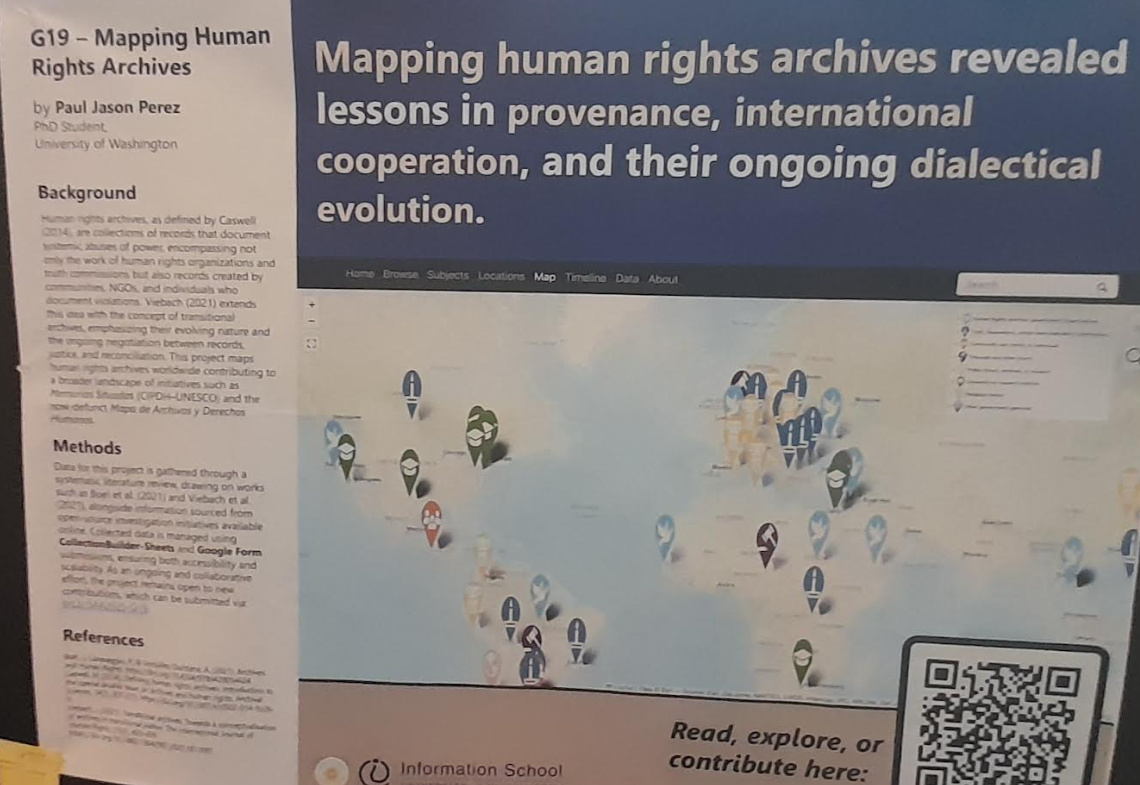
By Olivia C. Otero, FOCAS Intern, Spring/Fall 2025 / University of Arizona At the beginning of the Fall semester, I attended the 2025 Society of American Archivists Conference in Anaheim, California, where I was also a graduate poster co-presenter with my fellow FOCAS colleagues: Sam Stroud (UCLA), Cheryl Muhammad (Black Metropolis Research Consortium), Ahmal Ahmed…
-
From SAA to AzLA
By Riqué Duhamel Escobedo, FOCAS Intern, Fall 2025 / University of Arizona The Society of American Archivists (SAA) conference this last August was my first time getting to attend a professional conference. Following the excitement of getting to travel to Anaheim, California for the first week of the fall semester, the three days of panels…
-
History & Technical Skills: Working with Los Descendientes and the Mexican American Heritage and History Museum
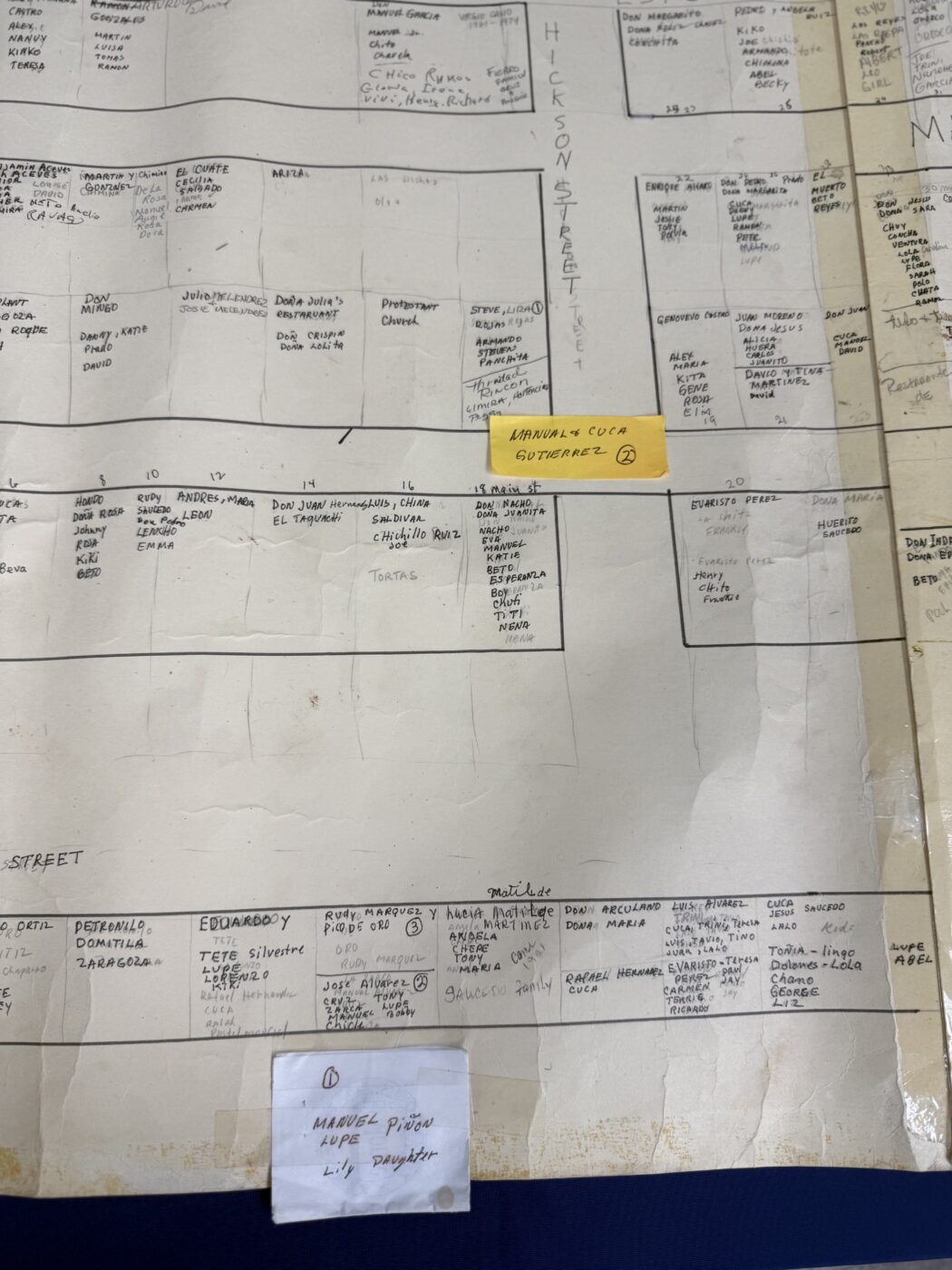
By Jose A. Robles II, FOCAS Intern Spring 2025, University of Arizona During the Spring 2025 semester, I was lucky enough to be a part of Los Descendientes de Tucson and The Mexican American Heritage and History Museum, alongside Melissa Berry. Alisha Vasquez and Rikki Riojas were fantastic mentors and supervisors throughout my time with…
-

Preserving the History of the Dunbar School
By Hana Lipke, FOCAS Intern, Spring 2025 / University of Arizona The Dunbar Pavilion, as it stands today, is an African American focused cultural and community center located at the corner of West 2nd Street and North Main Avenue. The oldest building on site is the original Paul Laurence Dunbar School, which grew from “The…
-

Community Archives: Project & Practice
By Olivia Carmen Otero, FOCAS Intern, Spring 2025 / University of Arizona This internship experience has shaped me in ways I never could have imagined, from presenting at the Society of Southwest Archivists conference to collaborating with interns from different institutions as part of FOCAS on a graduate poster submitted for the 2025 Society of…
-
Meditations on Mortality, Collective Memory, and Connection
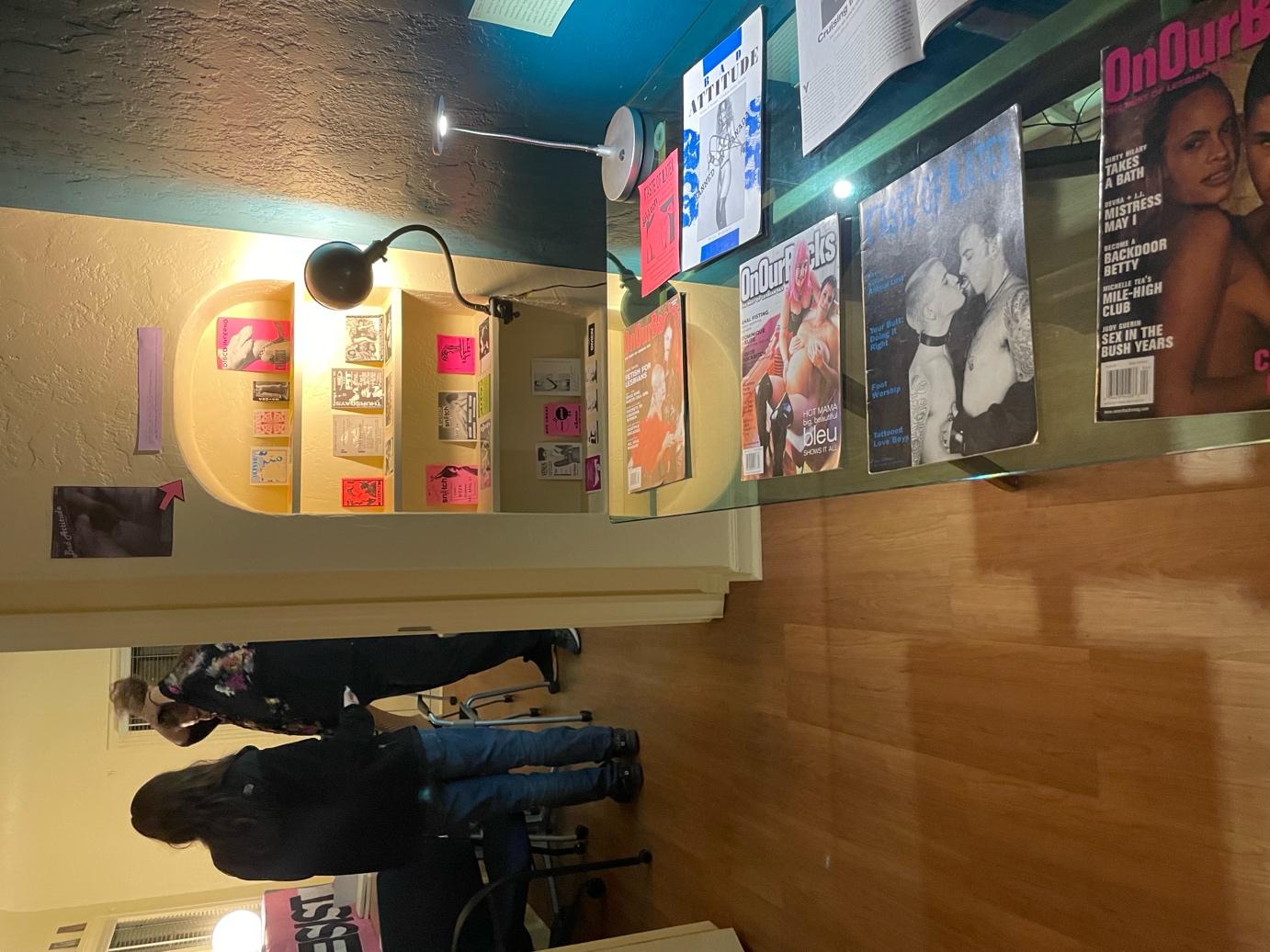
By Nicole Hayes, FOCAS Intern, Spring 2025 / University of Arizona I spent the past semester as an intern at the Arizona Queer Archives—a community archive based in Tucson, Arizona that collects and preserves histories pertaining to queer communities across the state. Quite naturally, as a geographically-specific archive focused on a specific marginalized community, many…
-
Mexican American History and Heritage Museum
By Melissa Berry, FOCAS Intern, Spring 2025 / University of Arizona My role as the Spring 2025 FOCAS intern for the Mexican American History and Heritage Museum was to continue building on the work of previous intern Jesus Villalobos in developing the museum’s oral history collection. While scheduling constraints only allowed time for one comprehensive…
-
Internship at the Chinese Historical Society of Southern California (CHSSC)
By Riona Tsai, June 2025, FOCAS Intern, 24-25, UCLA In 2021, I began working as an intern at the Chinese Historical Society of Southern California (CHSSC). At this time, I was an undergraduate student at UC Riverside. I began my internship doing research on City Market Chinatown as a part of the Five Chinatowns Project…
-
Archiving in Motion: Community, Collaboration, and Storytelling at LAAPFF
By Blair Black, May 2025, FOCAS Intern, 24-25 / UCLA Volunteering at the L.A. Asian Pacific Film Festival (LAAPFF), presented by Visual Communications (VC), was a deeply moving experience that reminded me of how essential collaboration is to sustaining community memory. As an archivist, I often think about legacy in terms of preservation—but working the…