
By Khanh Nghiem, July 2026 / FOCAS Intern 25-26 / University of Washington
My introduction to archives was a typical MLIS course centered on description standards and canonical conceptual models. During that class I thought to myself, “how mechanical, isolating, and abstract!” At that time, I kept this thought to myself, unsure if my peers felt the same. However, from the full enrollment and animated discussions in the community archives class at University of Washington this past spring quarter, it was clear that many students were similarly aspiring to a different, more relationship-driven pursuit in archival spaces.
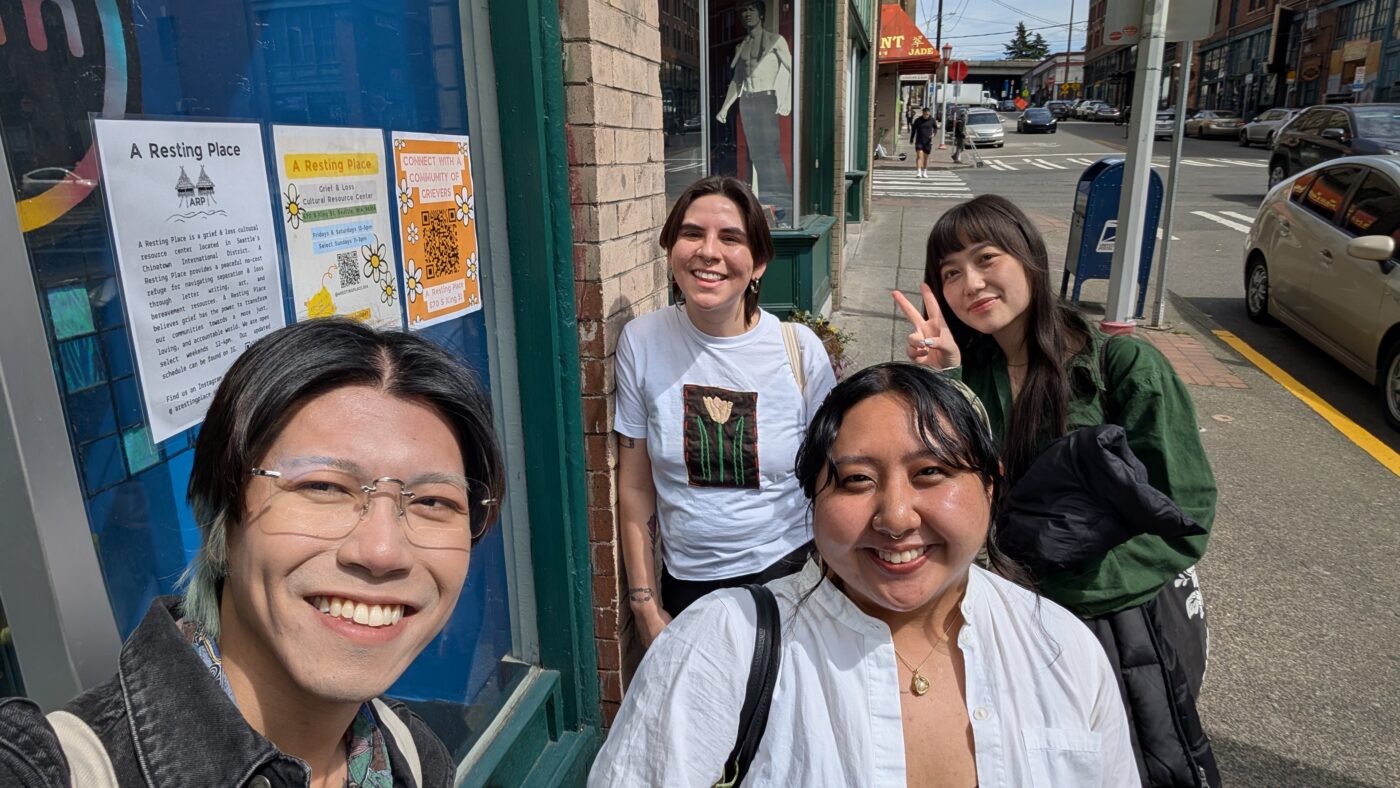
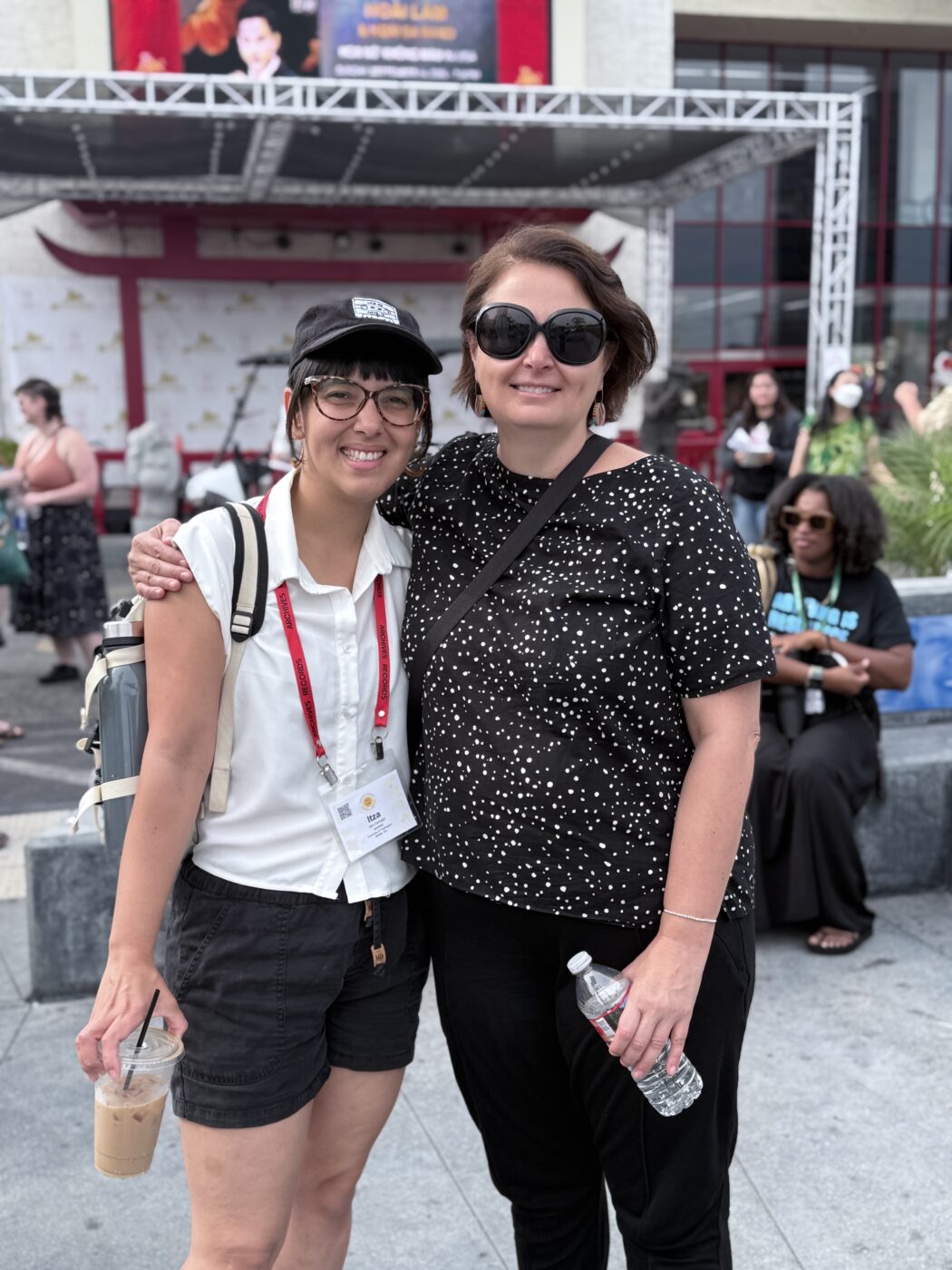
Khanh (left-most) and members of the rainbow trout group (image #1)
Yet speaking on relationships, collaborations between academic institutions and community organizations in the past were not without strains. The Community Archives course fully took into account this complicated history. For that reason, our quarter-long assignment was set in the hypothetical, so students could safely engage with ideas of community archives without the risk of straining or damaging relationships. More specifically, the quarter-long group assignment prompted students to learn about organizations within the Seattle-Tacoma area to pick a “dream” partner and create a workshop proposal based on their collection and work.
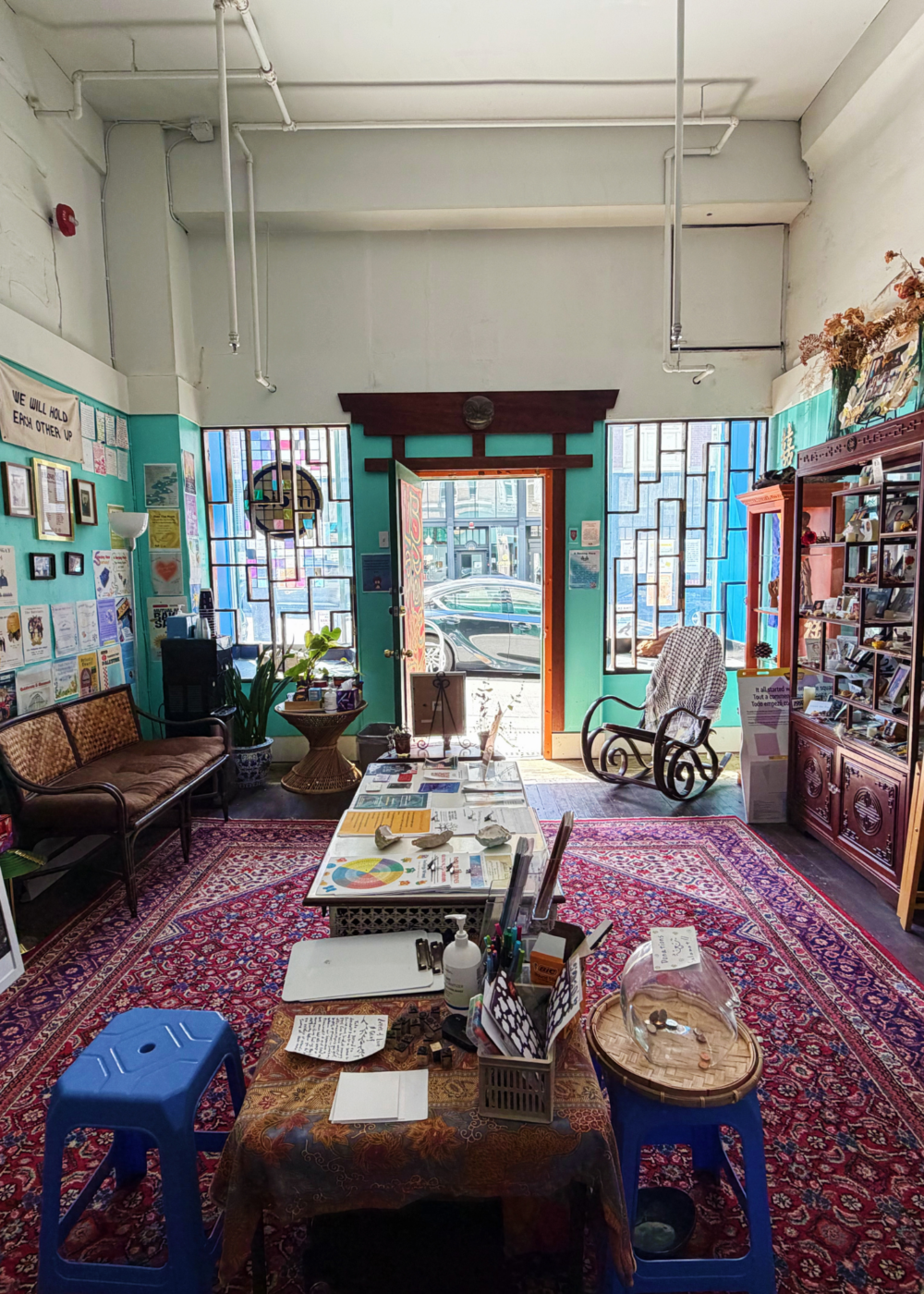
Entrance of ARP from the Inside (image #2)
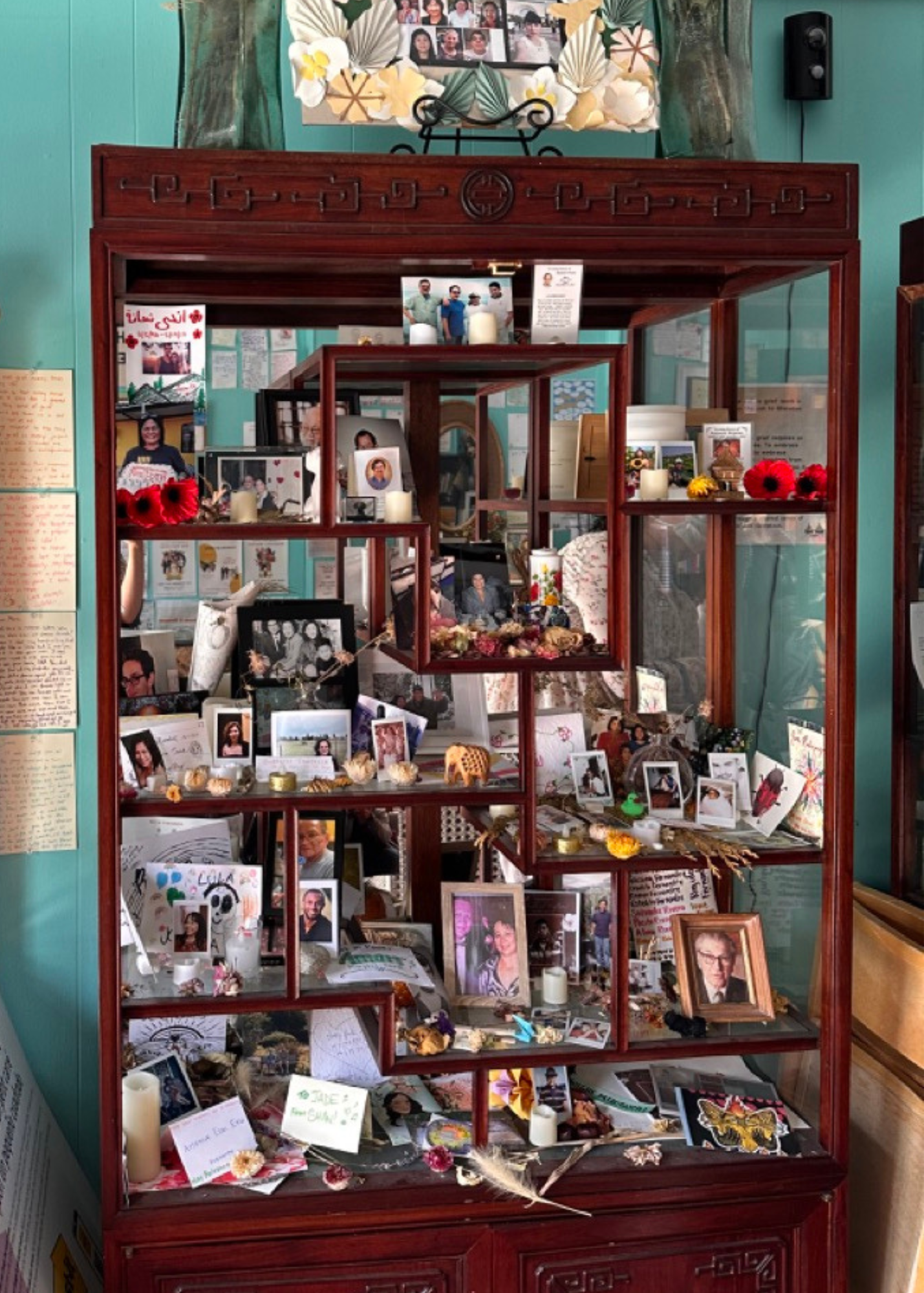
My group (rainbow trout) chose A Resting Place (ARP), located in the heart of Seattle’s Chinatown–International District. ARP does not identify as an archive but calls itself as a cultural resource center for loss and grief. The materials on-site were not acquired or appraised. They accumulated organically throughout three years of community engagement, from hand-written letters on the wall, memorabilia on altars, flyers and ephemera from past events, to poems, zines, and books gifted to the grief library shelf. Not merely a repository to hold artifacts, ARP regularly hosts programs and gatherings that bring in various communities (mostly Asian, Black, Brown and Queer) in honoring the dead and celebrating the living. During its weekly open house hours, visitors are welcomed to use the space, which is carefully arranged for tranquility and comfort, to mourn a personal loss or process a crisis event.
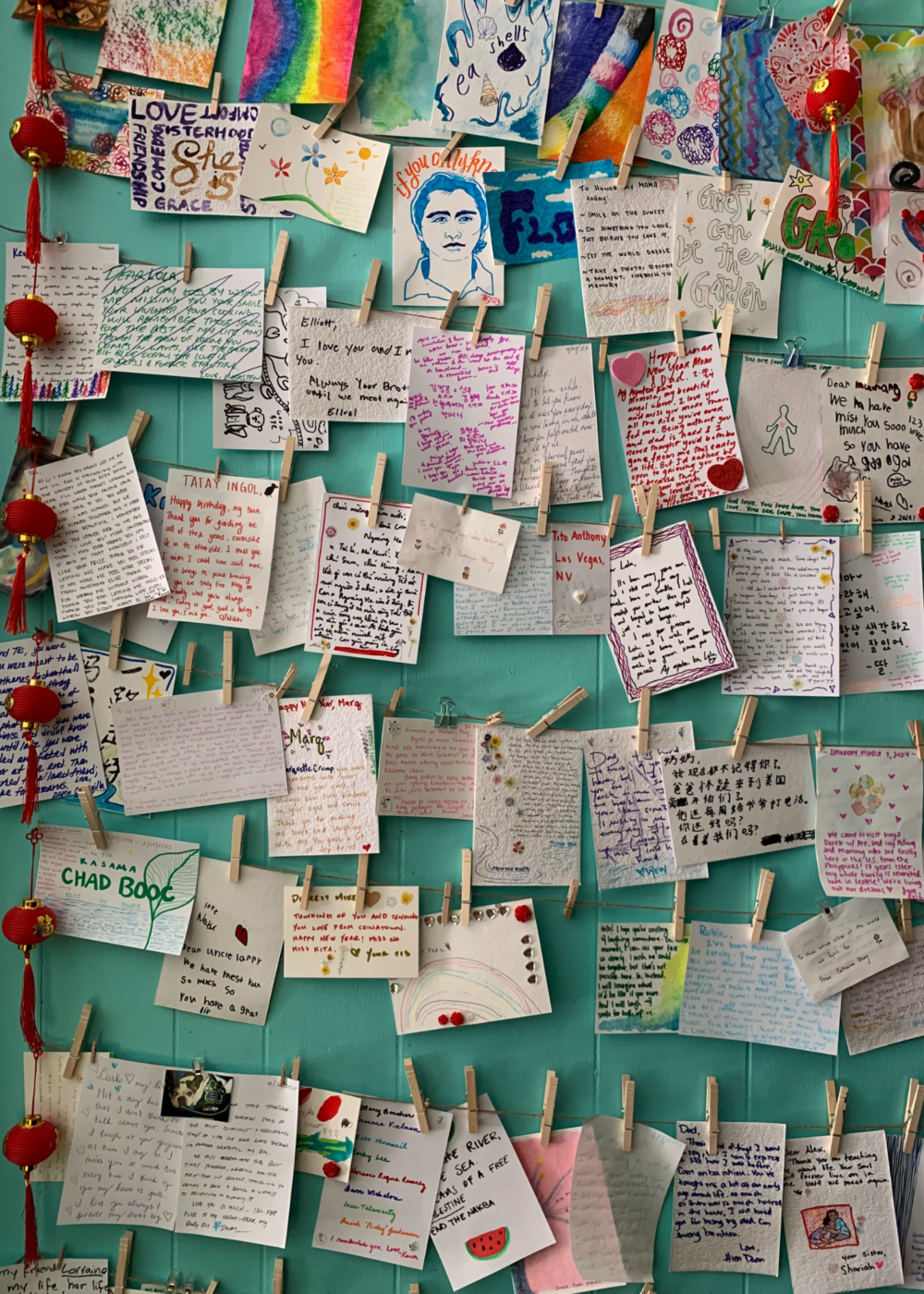
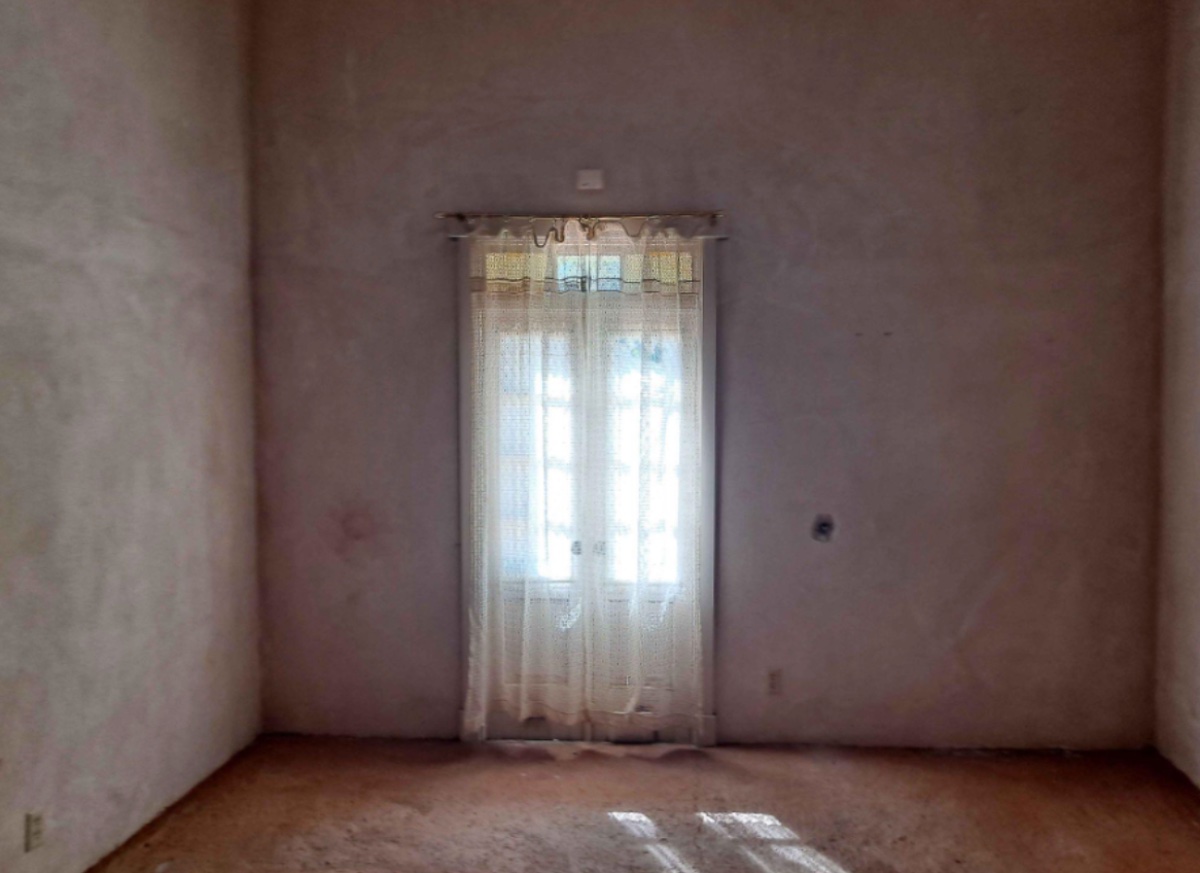
Letters and Notes on ARP walls (image #3)
Even without the formal identification, the ARP embodies the character of community archives that our group deemed the most important, which is a focus on engagement, affect, and activation. Institutional archives have traditionally prioritized records and professional control over people and communities. We believe that the community-building function of community archives should take the highest priority, even outweigh the canonical archival expectations. Leaning into this relational orientation, when creating our hypothetical workshop to pilot a new program centered around grief through sound, our rainbow trout team made sure to include trusted advisors, volunteers, and friends of ARP to test and provide feedback on how each component, from recording cassette tapes, making J-card inserts, to storing these materials on-site can improve to best serve the community’s needs and wants.
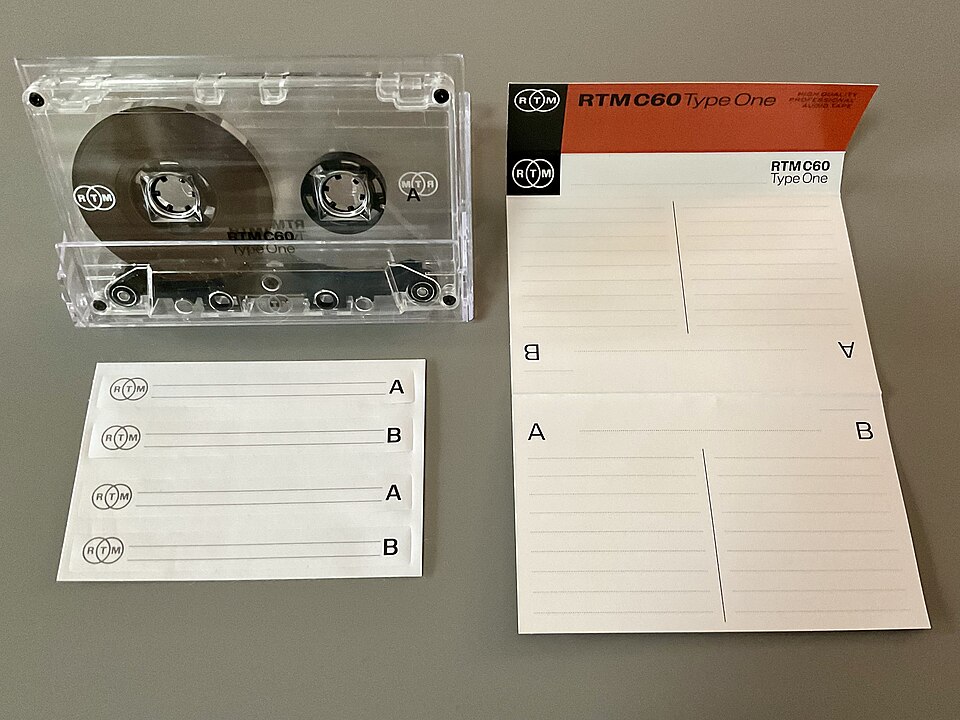
Cassettes & J-card sleeves example (source wikimedia commons image #4)
Taking one class is in no way a qualifying ground for MLIS students to work with community memory organizations, as ethical and professional considerations take years to acquire. However, ARP welcomed me as a new volunteer. Every weekend, I spend about two hours at the ARP, looking after the space, setting up for events, welcoming visitors, and learning community-organizing wisdom from ARP’s owner, Derek Dizon. My biggest takeaway from the Community Archives course, beyond theoretical training, is a commitment to center communities and relationships in all memory work pursuits.
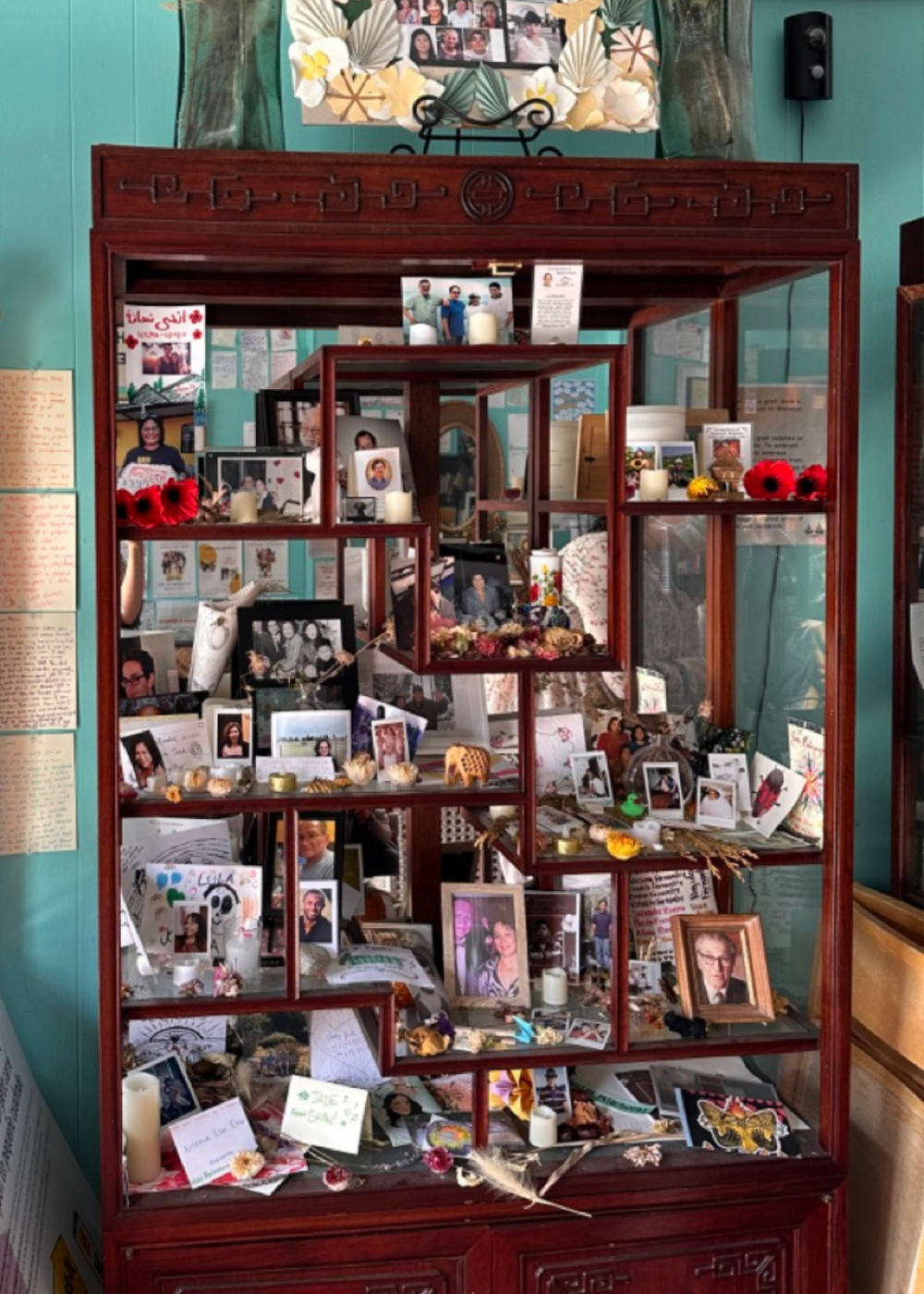
ARP community altar (image #5)