
By Olivia C. Otero, FOCAS Intern, Spring/Fall 2025 / University of Arizona
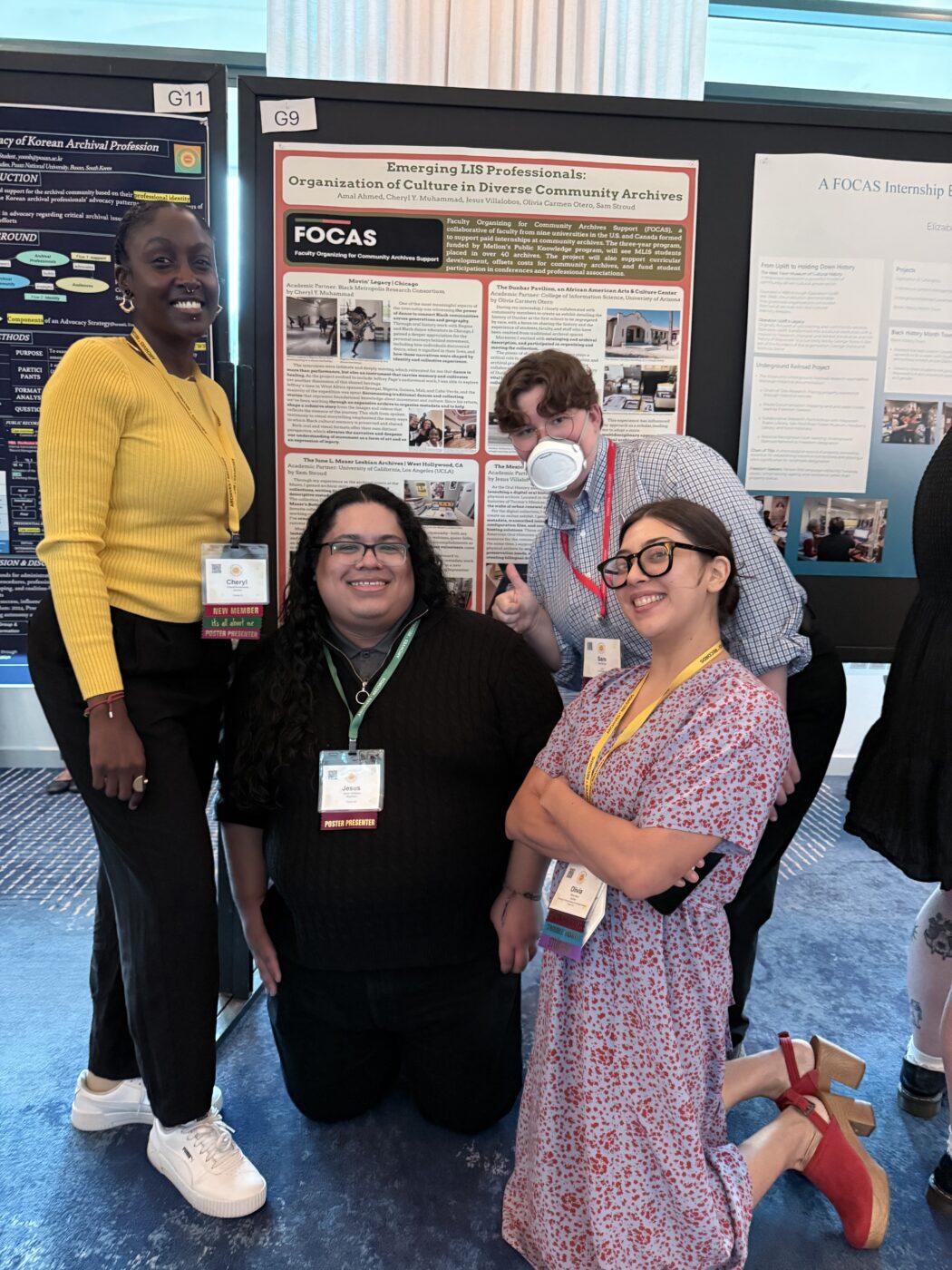
At the beginning of the Fall semester, I attended the 2025 Society of American Archivists Conference in Anaheim, California, where I was also a graduate poster co-presenter with my fellow FOCAS colleagues: Sam Stroud (UCLA), Cheryl Muhammad (Black Metropolis Research Consortium), Ahmal Ahmed (CUNY), and Jesus Villalobos (UA).
We worked across time zones via Zoom meetings and many drafts to develop a proposal that featured our work at our community archive sites, centered on our experiences as graduate students, and put practice into action: Emerging LIS Professionals: Organizing of Culture in Diverse Community Archives.
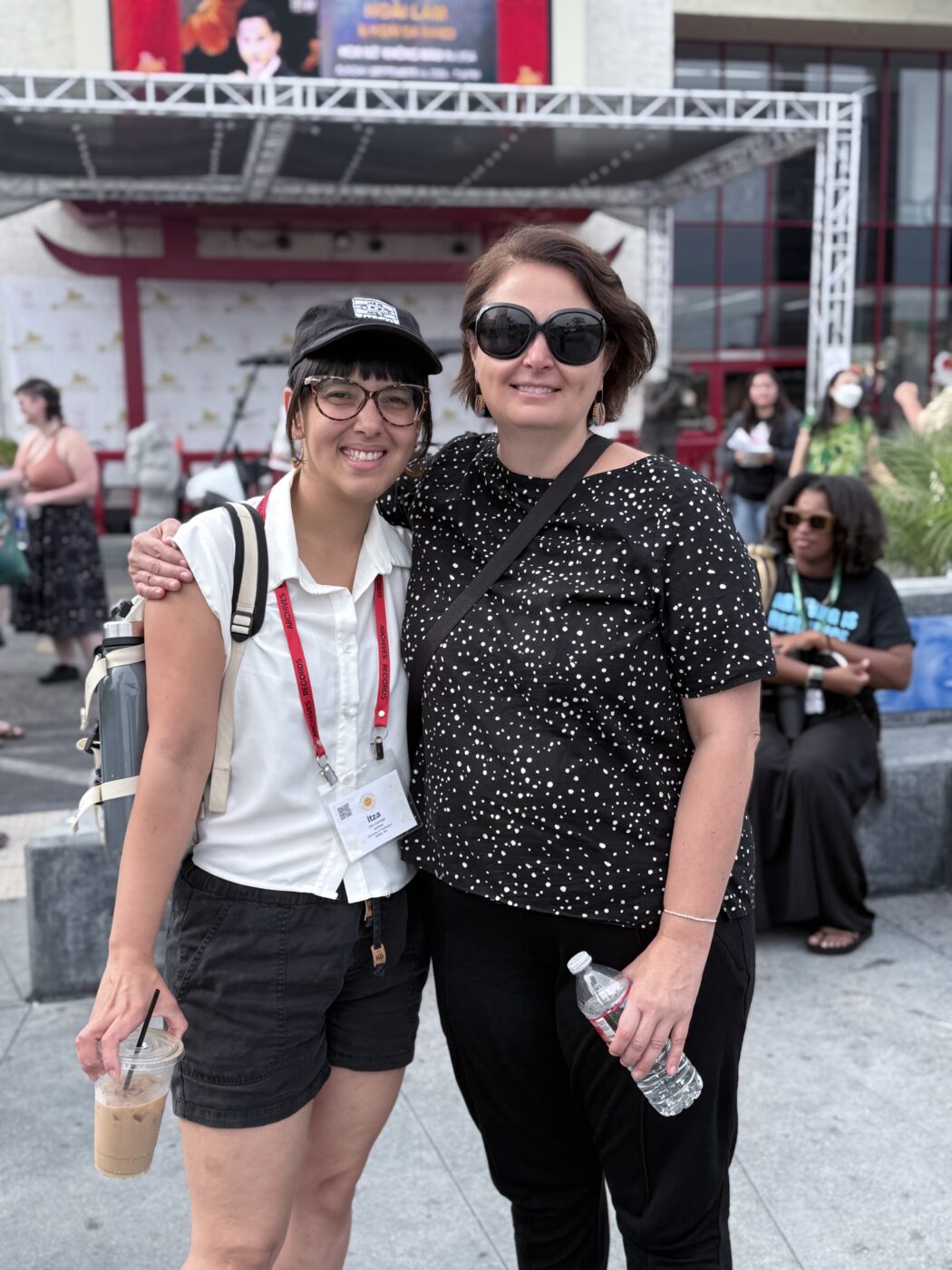
Figure 1. L-R: Jesus Villalobos, Sam Stroud, (that’s me!), and Cherly Muhamed, SAA 2025
The entire SAA experience was an incredible opportunity that I hope to pay forward one day and continue to support access to opportunities like this. The presentations were so interesting and often hard to choose between!
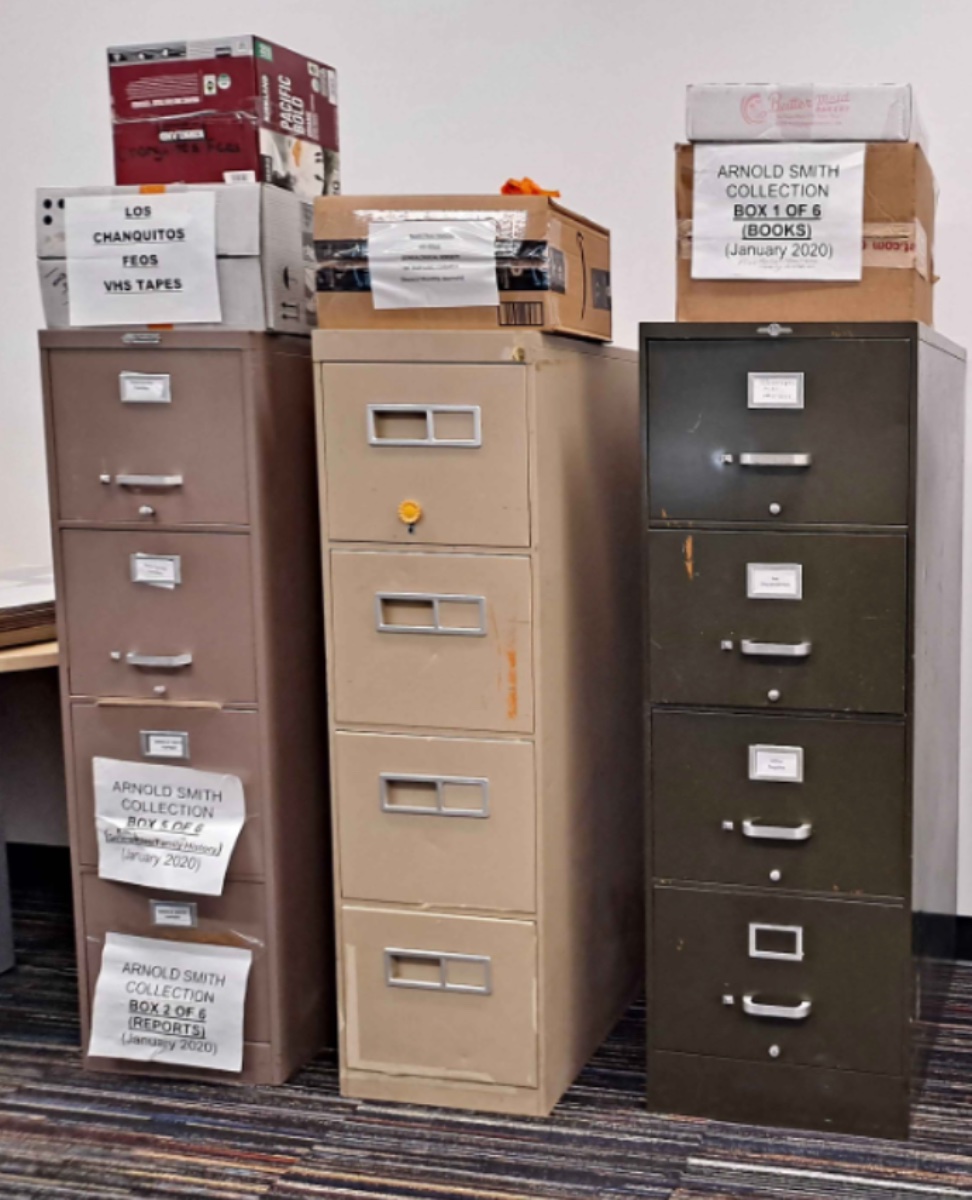
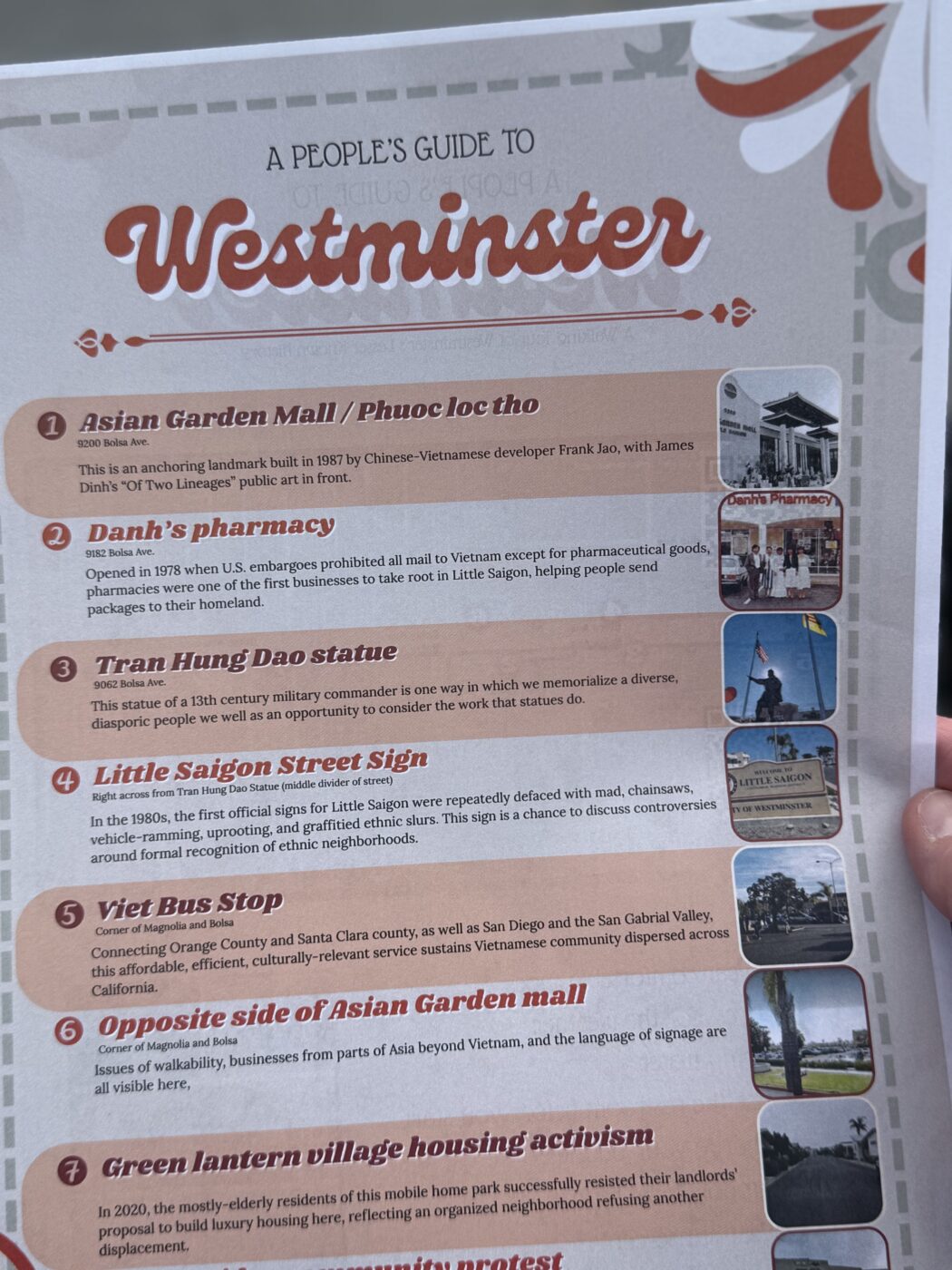
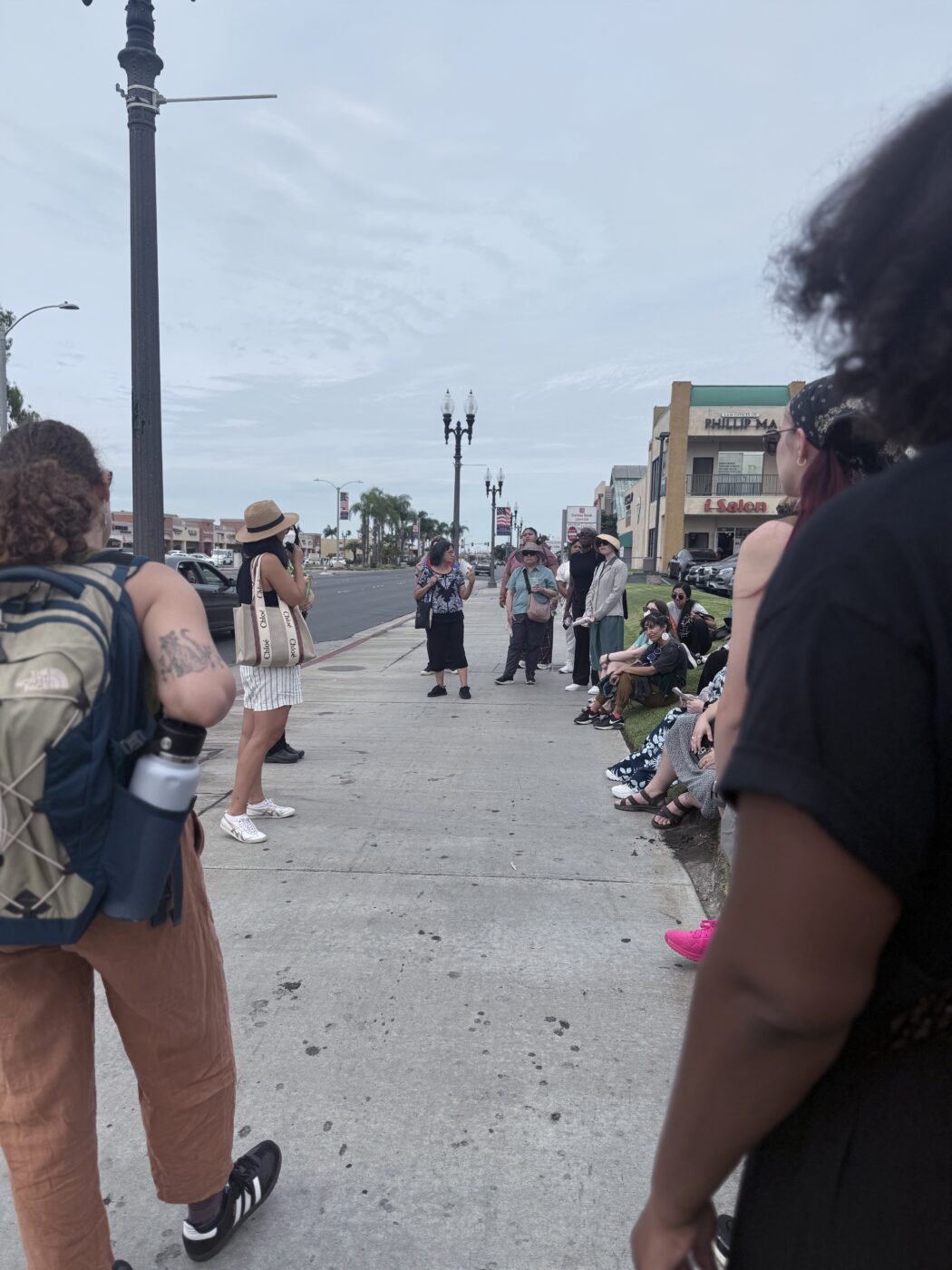
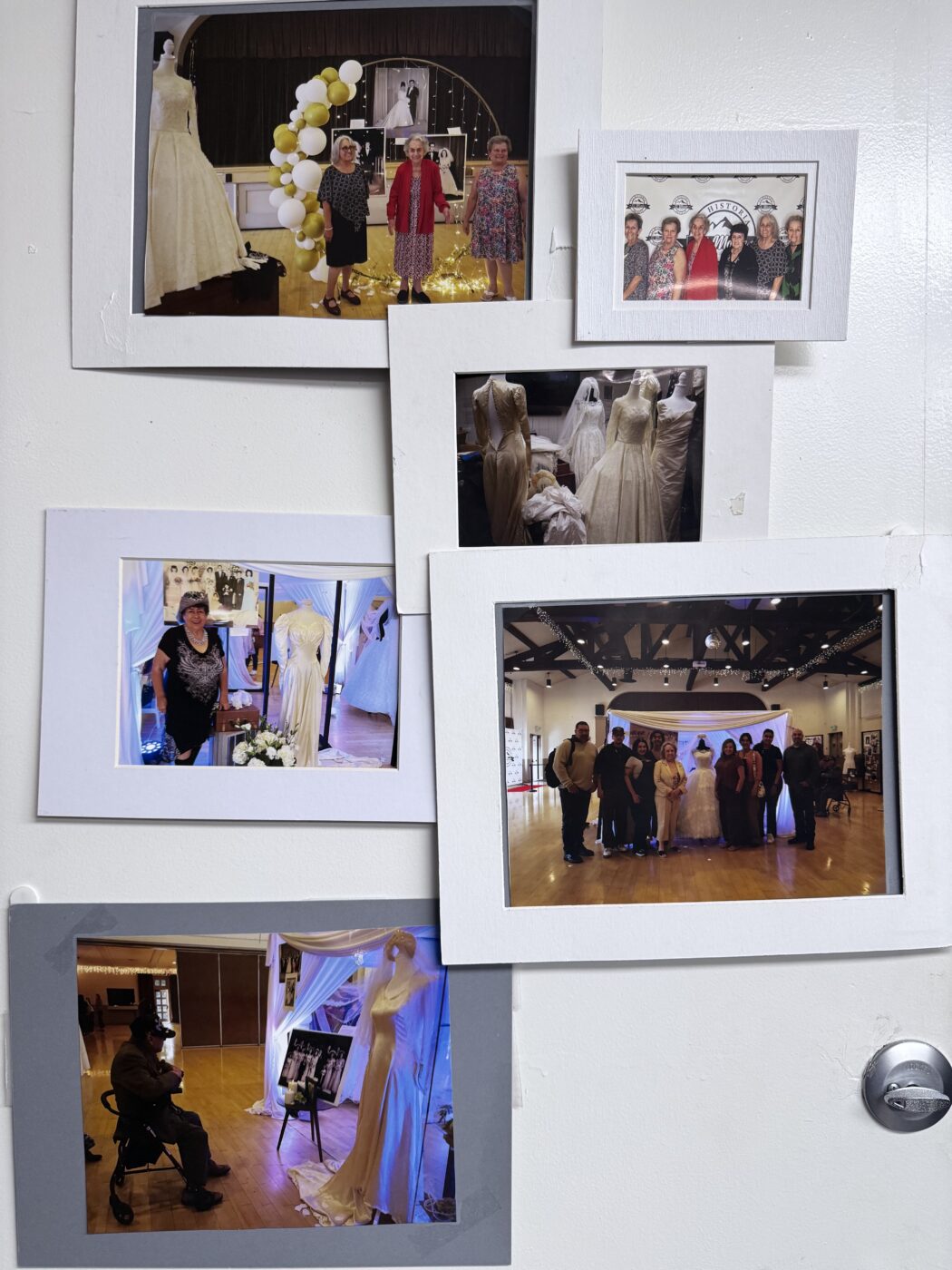
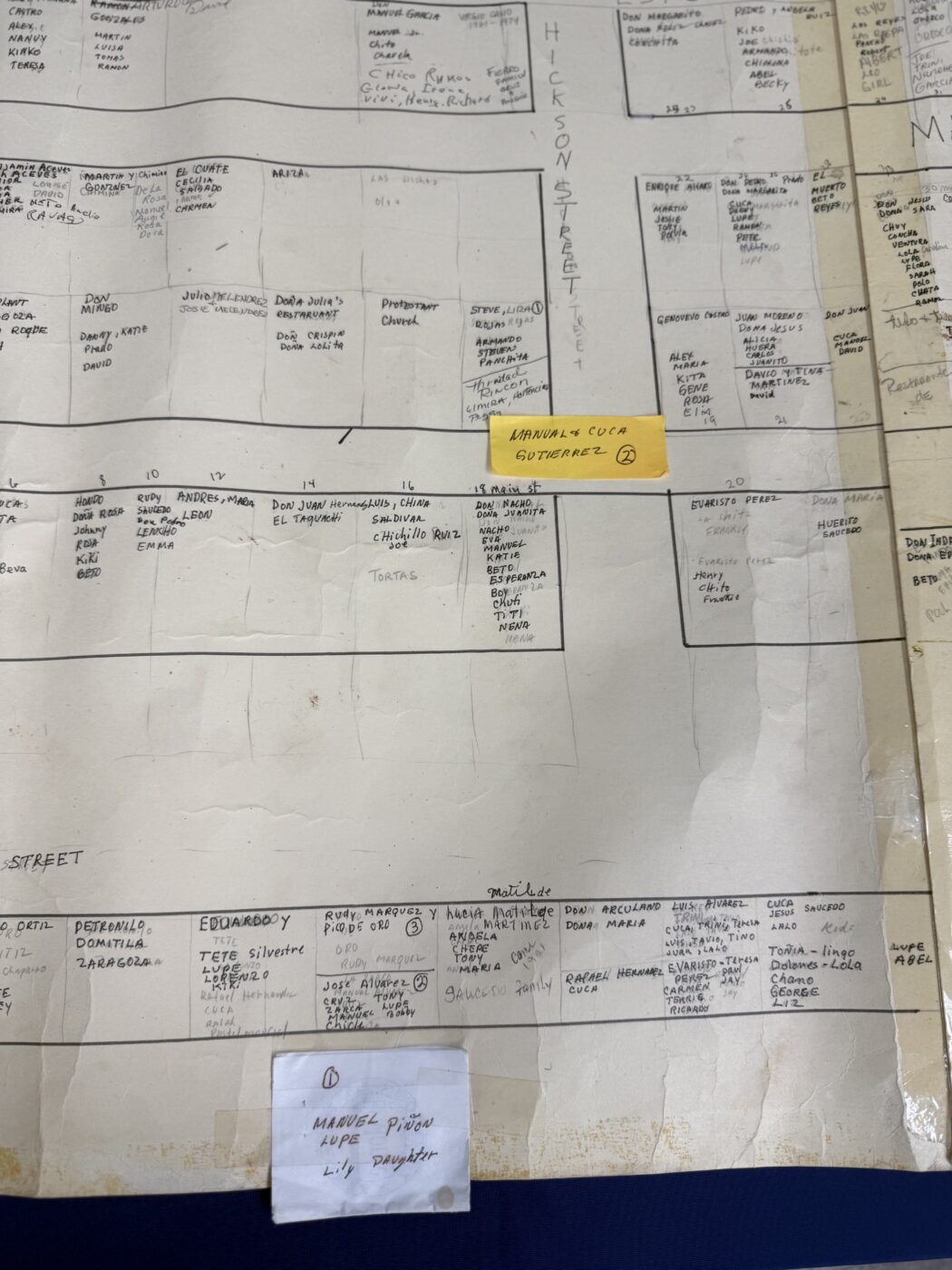
The most memorable part for me was the FOCAS Community Archives Field Trip to Little Saigon in Westminster and La Historia Historical Museum in El Monte, both UCLA FOCAS community archives sites. These two sites featured communities driven to preserve their history and identity, sharing their lived experiences, which highlighted to me what makes this archival practice and each community unique in terms of placemaking, tied to the memory work ethics of memory work, ethics of care defined by the community while protecting and preserving cultural heritage (Thuy Vo Dang, PhD). We were also able to meet and interact with not only community members but also current and past graduate students who work at or have worked at the sites, and to share their challenges, struggles, and what the future looks like.
Looking back now while writing this blog post, having that FOCAS connection across institutions with graduate students, faculty, and staff as a resource and support, including the PIs, and post-doc here at the University of Arizona. They have been supportive in submitting proposals, being creative in our community archive work, and really engaging in putting archival praxis into practice.